




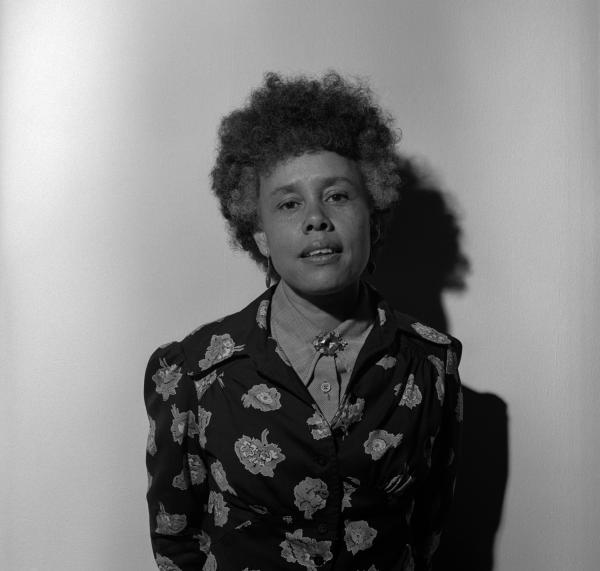
We are greatly saddened by the passing of Betye Saar, a dear friend of LACMA and one of the most significant artists of her generation. Over her seven-decade career, Saar, renowned for her assemblages and what she called her sculptural tableaux, transformed found objects into powerful and provocative artworks that reflect on Black identity, spirituality, and gender.
Saar was a lifelong Los Angeles area resident who received a BA in design from the University of California, Los Angeles, in 1949. She dedicated herself to fine art after working as a social worker and jewelry designer, producing ink drawings, color etchings, and intaglio prints often touching on the cosmos, mysticism, and her family history. Her aesthetic experiments eventually led her to embrace assemblage, combining her prints with objects sourced from flea markets, swap meets, and her own ancestral past.
The 1965 Watts Rebellion and 1968 assassination of Martin Luther King, Jr. impacted Saar profoundly, leading her to address racism directly in works like her iconic Black Girl’s Window (1969), which mixes autobiographical images with references to both occultic realms and contemporary events. Throughout the 1970s, Saar was a key figure in the Black Arts Movement in L.A., which centered on the Brockman Gallery and Suzanne Jackson’s Gallery 32 and included Charles White, John Outterbridge, and Melvin Edwards among others. In 1972, she created her famous and radical The Liberation of Aunt Jemima, featuring a found Mammy caricature that Saar armed with a rifle along with the traditional broom, a work that Angela Davis has cited as the beginning of the Black Women’s movement.
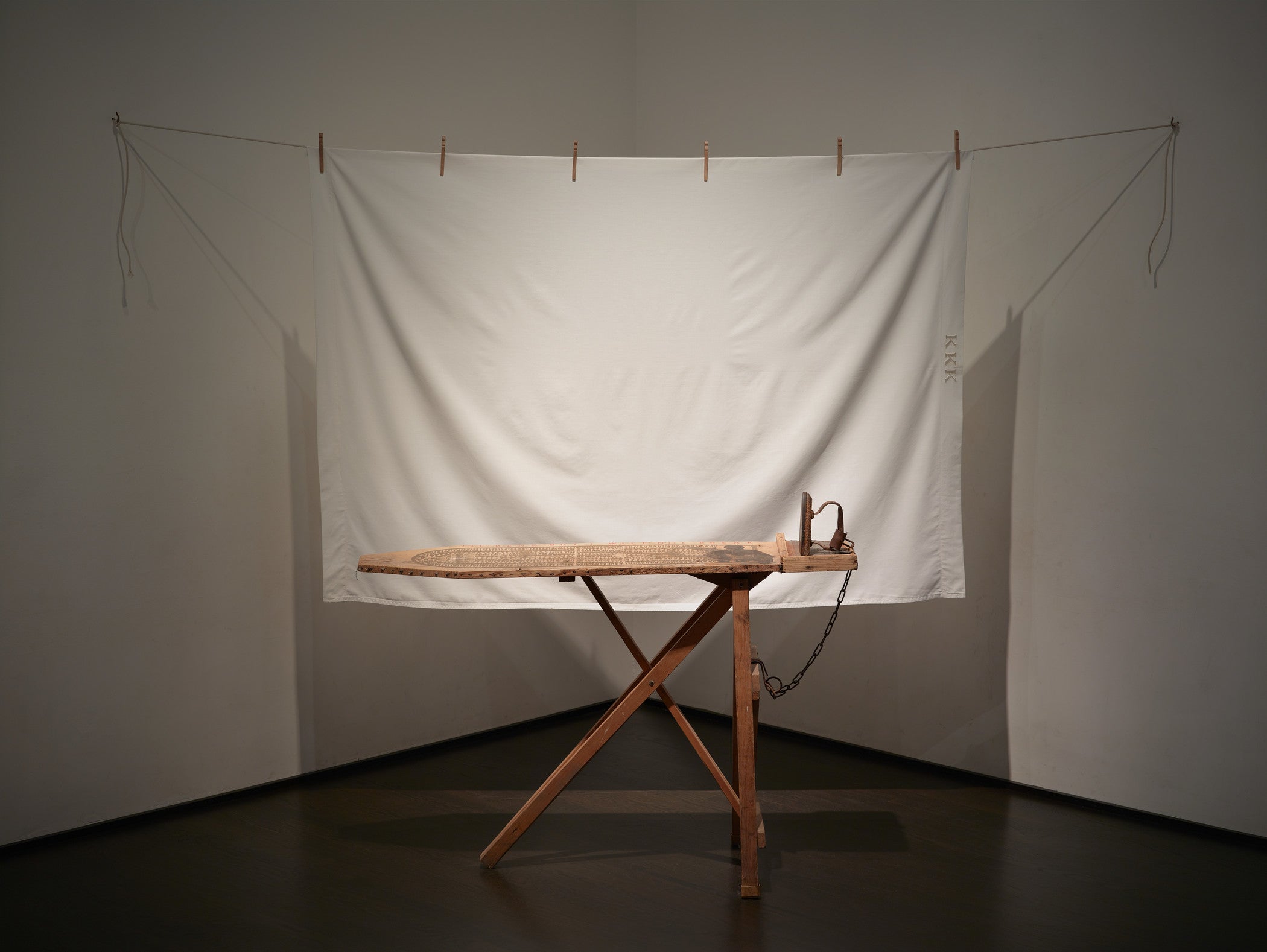
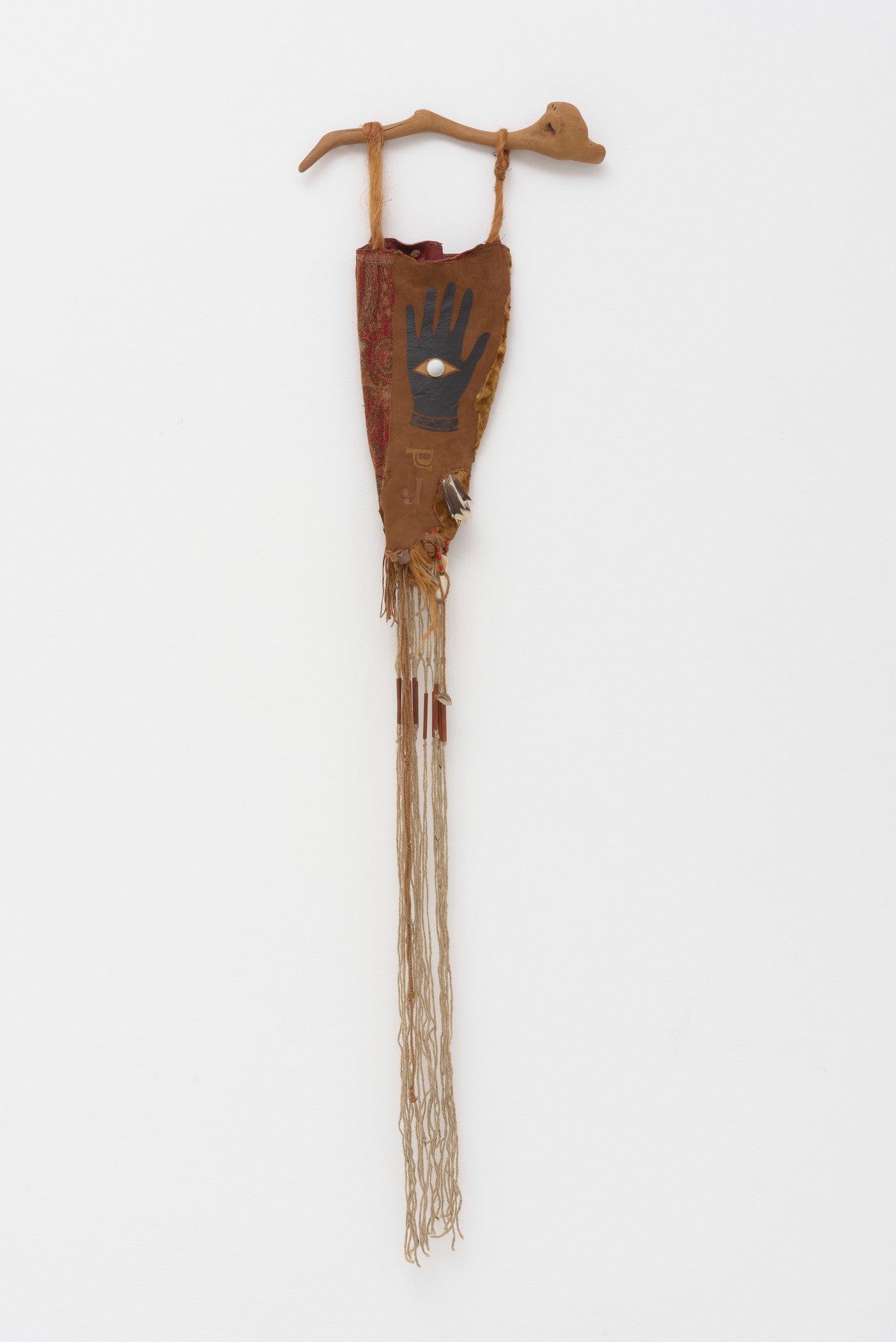
LACMA’s holdings by Saar include Mojo Bag #1 Hand (1970), one of a number of works made by the artist in the early 1970s using cowhides given to her by Brockman Gallery co-founder Alonzo Davis, and Essence of Egypt (1972), an assemblage reflecting Saar’s longstanding interest in the art and artifacts of many (especially non-western) cultures and the “Tutmania” of the decade. The sculptural tableau I’ll Bend But I Will Not Break (1998), an iconic statement combining powerful overlapping references to slavery and slave ships, traditional female labor, 19th- and early 20th-century art, and modern-day racism, is on view in the David Geffen Galleries.
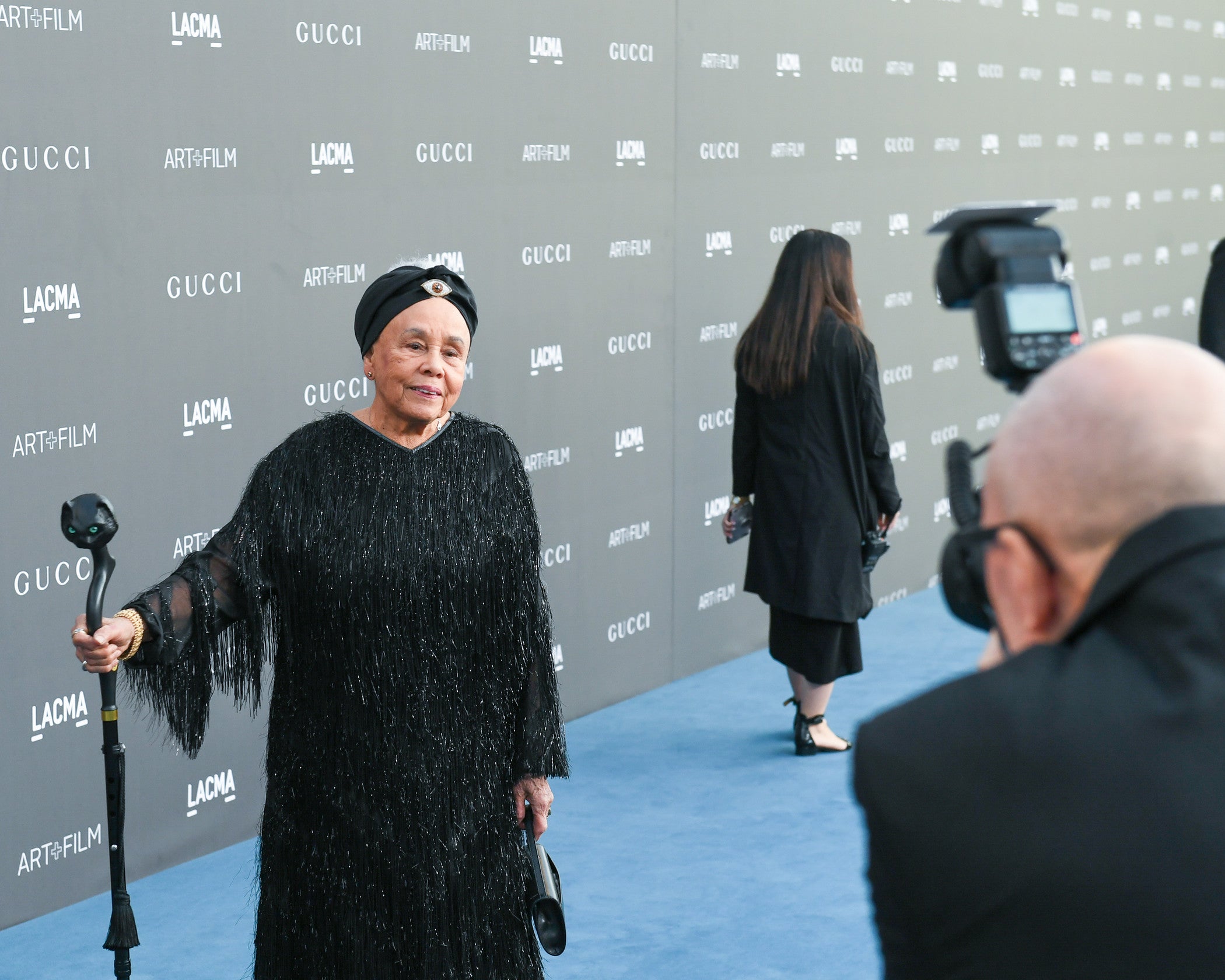
Saar’s work has been exhibited at the museum as early as 1973, when she appeared in the group exhibition Dimensional Prints (along with Eleanor Antin, Kenneth Price, Edward Ruscha, and others). In 2019, Betye Saar: Call and Response, which covered the span of the artist’s career, was the first exhibition to examine the relationship between her preliminary sketches in small sketchbooks and finished works. LACMA honored Saar at the annual Art + Film Gala that same year, and is proud to continue to share and steward her exceptional work.