




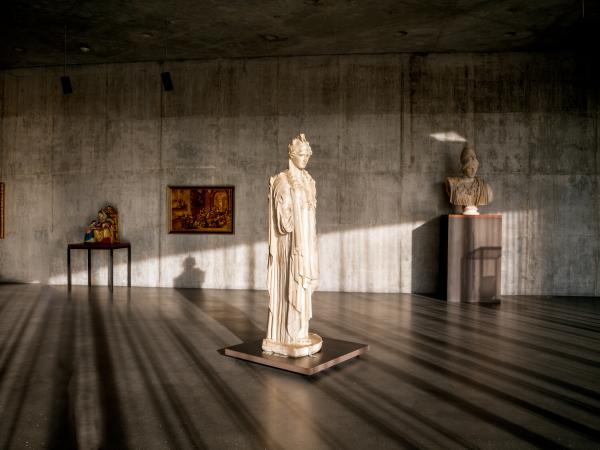
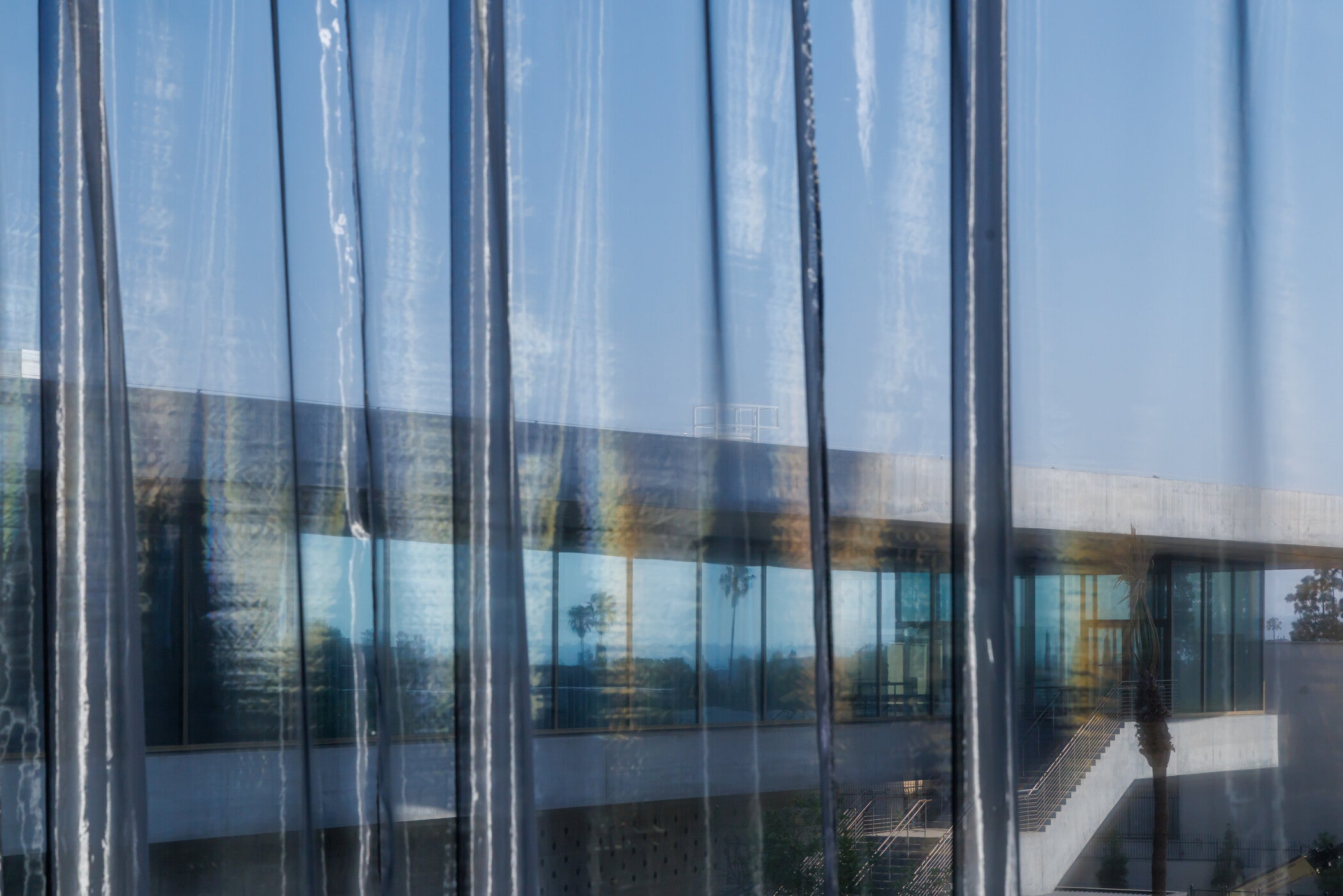
When I first saw plans for the David Geffen Galleries, LACMA’s new home for the permanent collection, I immediately knew that caring for the art in this remarkable new building would require careful planning and collaboration. With its amorphous shape, 360-degree floor-to-ceiling glass façades, and raw concrete walls, the building presented challenges unlike those found in most museums. At the same time, they also offered an opportunity to rethink how institutions like LACMA protect and care for their art.
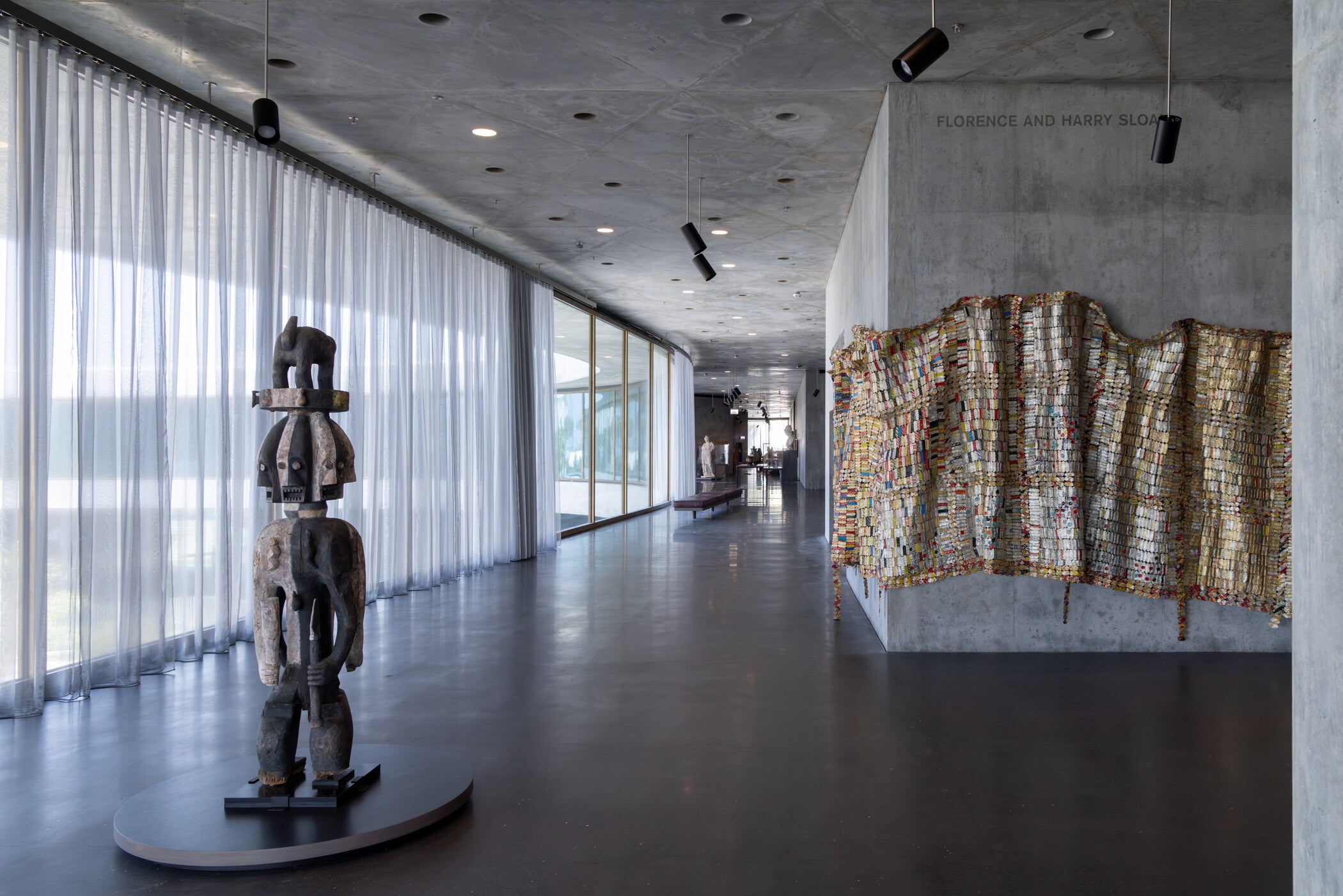
Rather than relying on historical environmental standards, LACMA set out to align the building with more modern, sustainable approaches to collection care while maintaining strict protocols for long-term preservation of artworks. The building was designed to be able to accommodate the Bizot Green Protocol, which allows for slightly broader ranges of temperature and relative humidity while also defining acceptable rates of change over a 24-hour period. This internationally implemented approach recognizes that many objects can safely tolerate a wider range of environmental conditions than previously assumed while institutions can significantly reduce energy consumption.
Given these departures from the design and environmental conditions typically found in traditional museum buildings, it was essential to develop a comprehensive strategy to ensure a safe environment for art over time. We implemented a series of scientific studies and monitoring programs that would provide data to help us make informed decisions and ensure the long-term preservation of our artworks while continuing to learn from the building as it evolves.
One of the first steps involved assessing how sensitive objects might respond to light exposure within the new galleries in collaboration with our conservators. We tested approximately one-third of the textiles as well as several key paper-based objects that would be installed in the Geffen Galleries using a technique called the microfading test (MFT), which helps predict how certain colors will respond to specific light conditions. In addition to MFT, we also performed colorimetric measurements on both paintings and works on paper. This technique allows us to non-invasively monitor the smallest changes that might be happening on the surface of an object while on display. The results provided valuable information that informed exhibition planning: some objects were relocated, while others were protected by custom-designed curtains strategically placed along the perimeter of the galleries to reduce light exposure. These measures also helped the conservators make decisions about object rotation schedules, allowing us to better balance public access to the collection with long-term preservation.
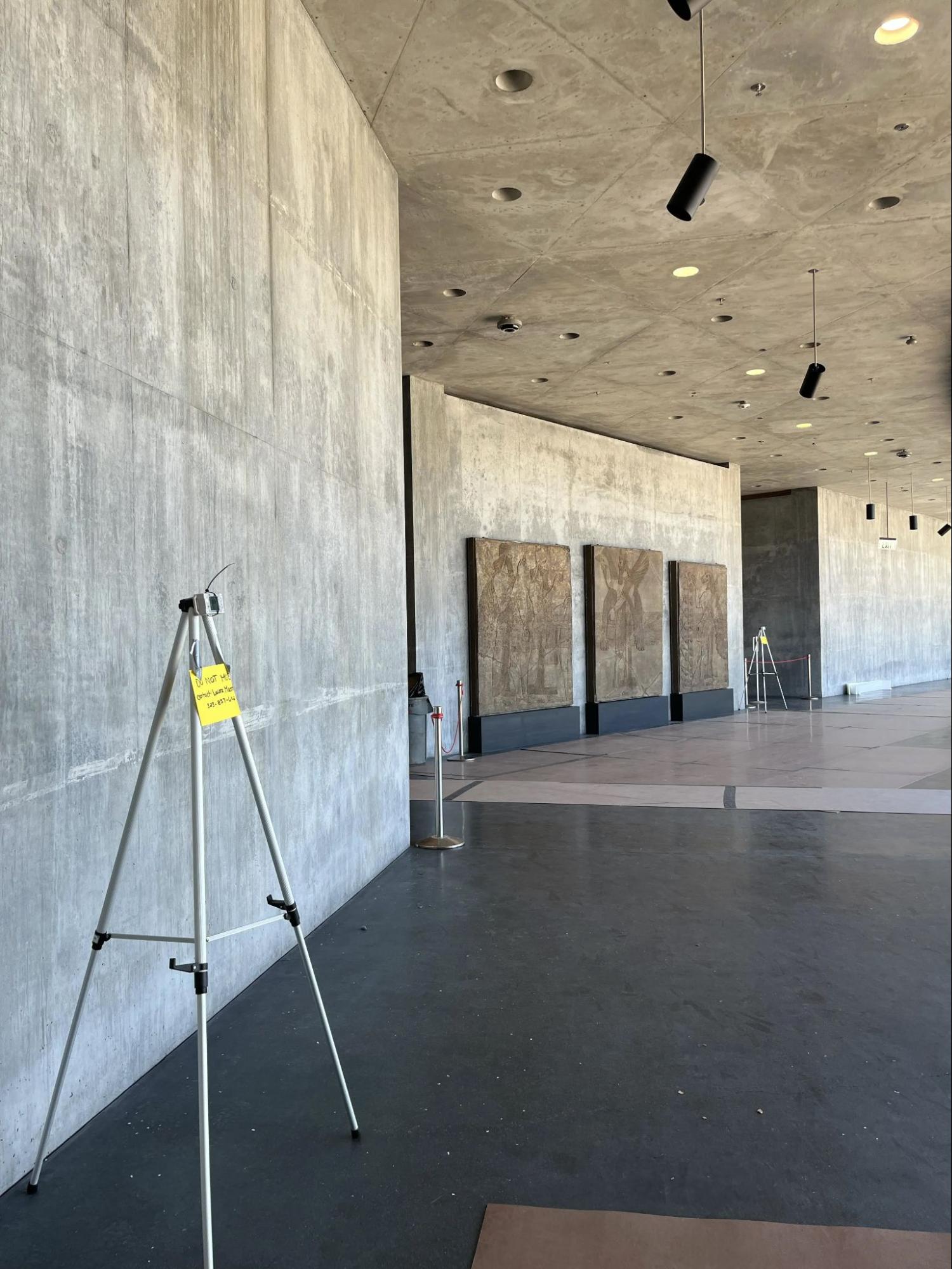
To better understand the building’s temperature and relative humidity, 88 sensors were deployed throughout the gallery spaces during installation. These devices collected data every 15 minutes during an eight-month period leading up to the opening of the building. All environmental conditions recorded over those months remained within the safe Bizot Protocol parameters, and we will soon redeploy some of the sensors to continue monitoring the collection, providing an additional layer of information alongside the internal sensors of the building’s HVAC system that continuously share environmental data with the conservation team.
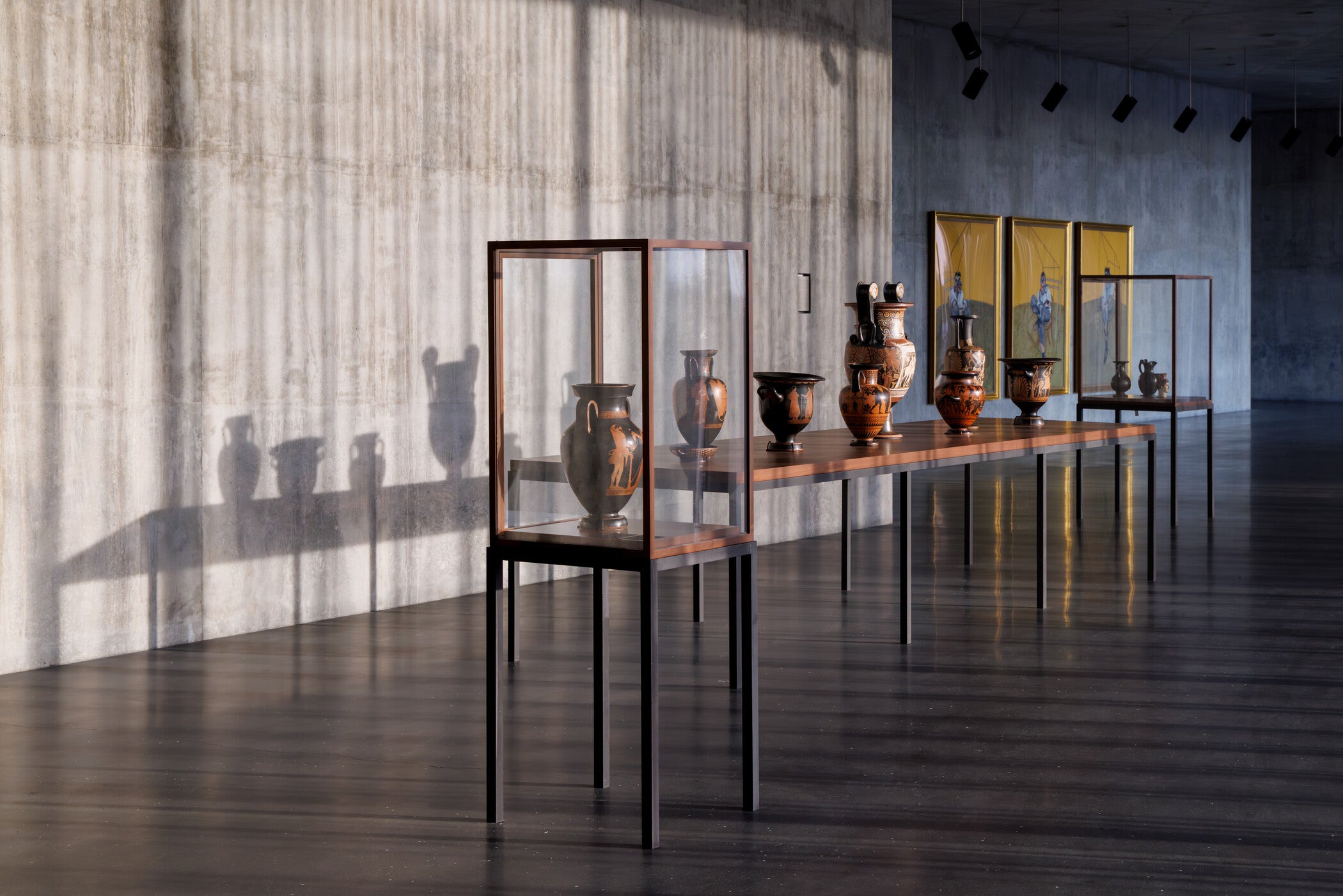
Another important part of our work that will help ensure the safety of the collection is a collaboration with the Getty Conservation Institute's Managing Collection Environments (MCE) initiative to monitor selected wooden objects in the galleries. MCE studies have already shown that many similar objects are more resilient than previously assumed, and that the Bizot Green Protocol can be successfully implemented for a range of collections. Particularly fragile objects, however, have nonetheless been installed in microclimate vitrines while monitored.
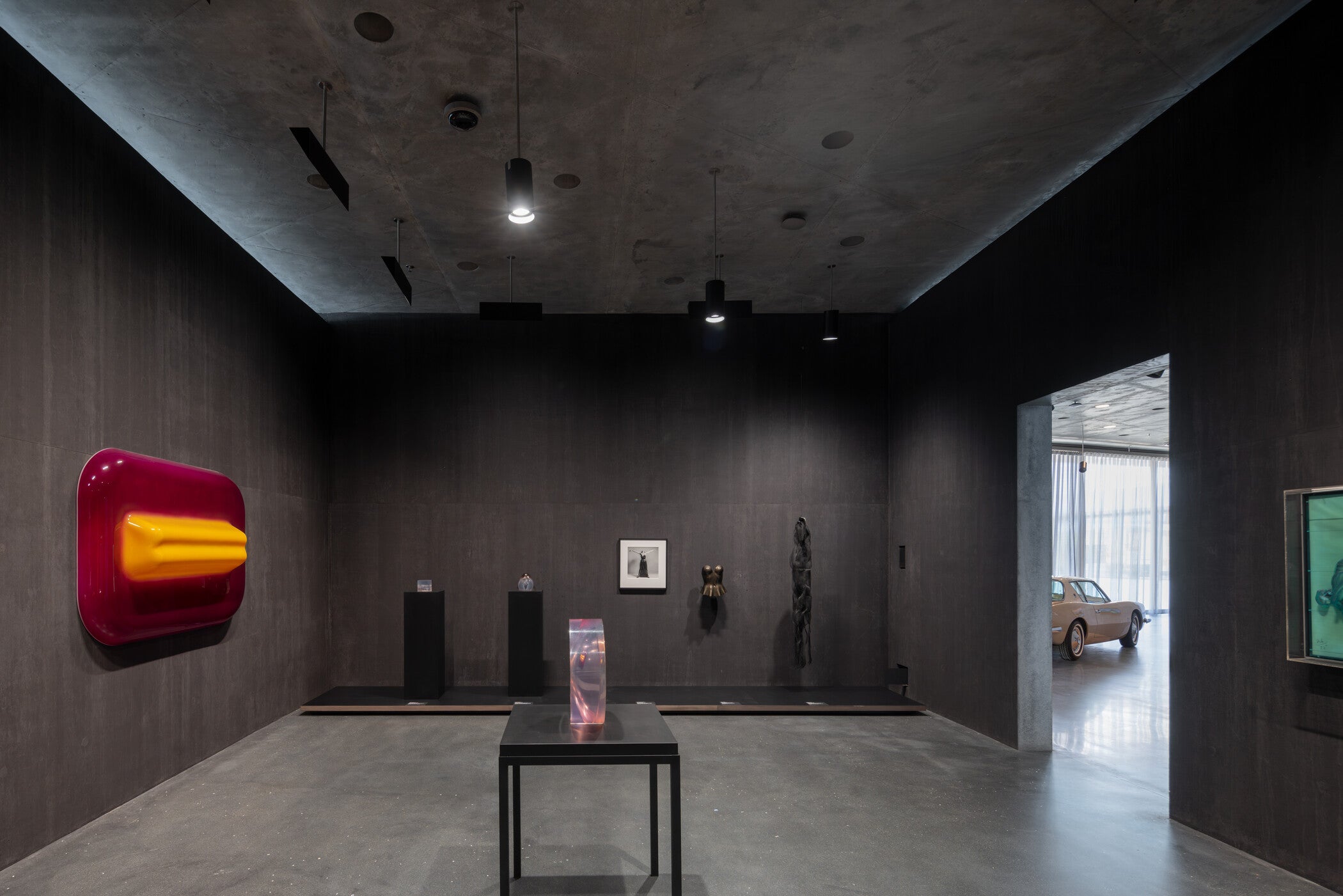
Although the David Geffen Galleries officially opened their doors earlier this year, our vital conservation work continues. Essential to this work is ongoing monitoring and analysis of this novel, evolving environment, as well as its varying conditions as it experiences changing seasons, visitors, and day-to-day operations, and we’ll continue to learn more over time, with every new dataset helping us to refine our approach to preventive conservation. The Geffen Galleries function as a scientific laboratory as much as they do an exhibition space, providing an opportunity to explore safe and innovative conservation strategies in addition to new curatorial approaches. By carefully monitoring the collection, evaluating new environmental standards, and collaborating with partners across the field, we hope to contribute valuable information that will help museums make informed decisions about sustainable collection care.
This ongoing project has the contribution of many people at LACMA, and it wouldn’t have been possible without the support of Diana Magaloni. I would also like to thank Thomas Duffy and the rest of the API team for helping with the installation of the monitors, and Jasmine Cleveland and Elsepeth Patient for helping with the coordination of the deployment of the sensors. Lastly, I would like to thank the MCE initiative group for their invaluable help during this process.