




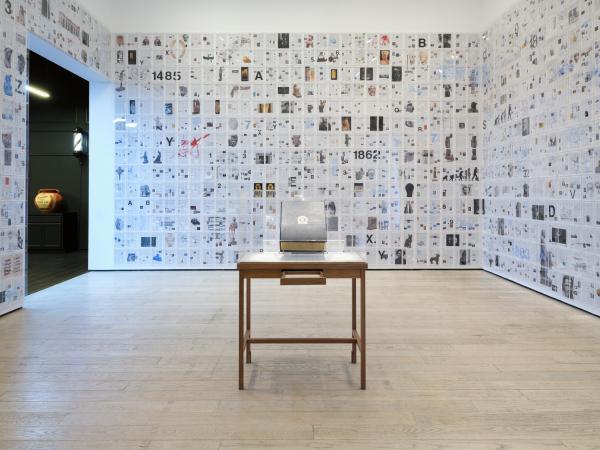
Tavares Strachan: The Day Tomorrow Began (on view through March 29, 2026), the artist’s first museum exhibition in Los Angeles, invites viewers into immersive multisensory installations that demonstrate his complex, idiosyncratic, and far-reaching world of materials and ideas. Strachan is interested in what has been rendered invisible within mainstream narratives, and his singular artworks—across media including neon, ceramics, bronze, painting, text, music, and performance—illuminate stories through which new ideas can emerge.
Below is an excerpt from a conversation between the artist and exhibition curator Diana Nawi. The full conversation can be found in the book published in conjunction with the exhibition.
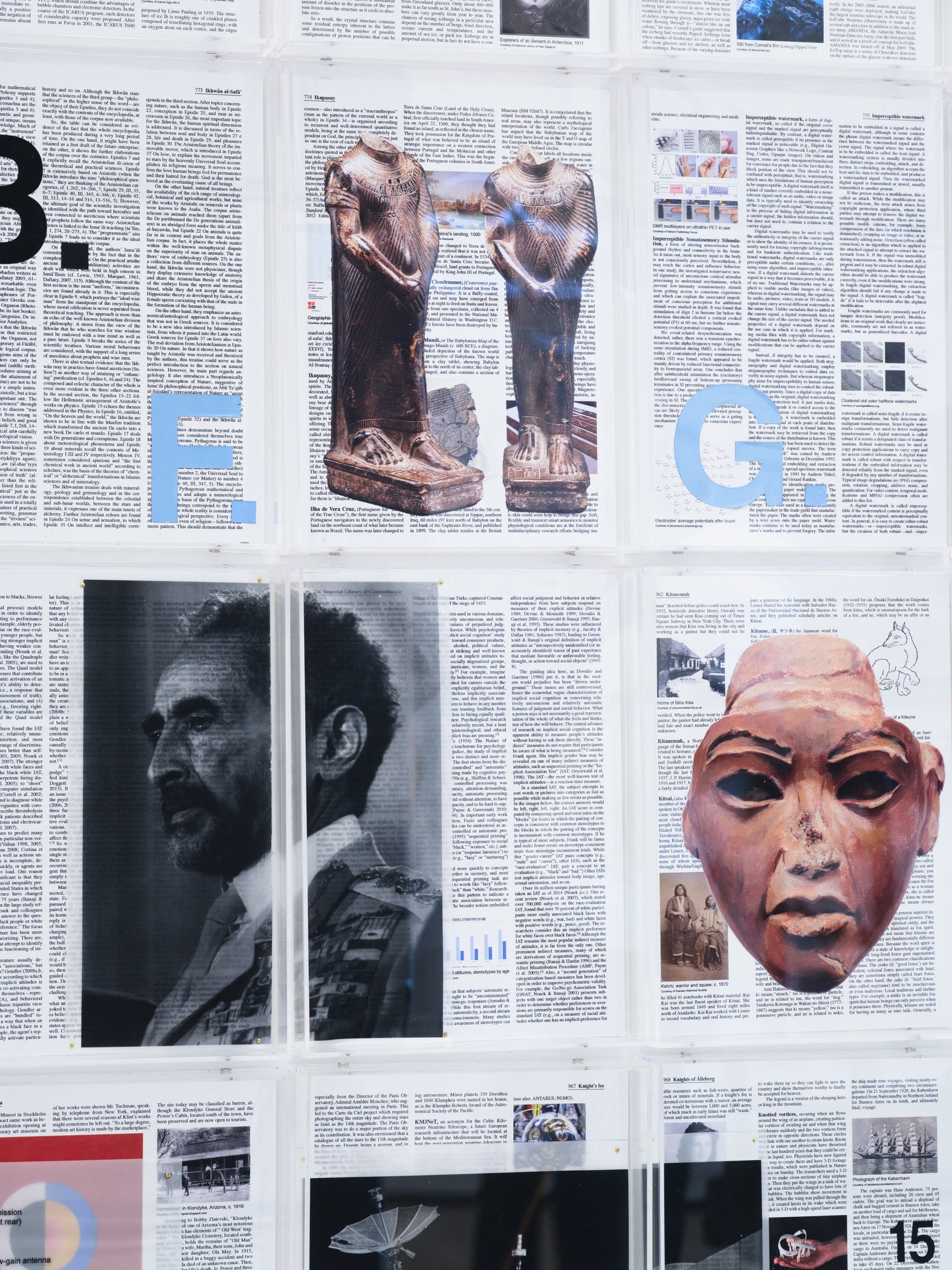
Diana Nawi: I think of your work as being generous in many ways. Even if someone isn’t aware of all of the meaning you’re thinking about or the references you’re making, they’re going to be able to take something away from a work of art; it just depends what “languages” they know. So there’s a flexibility in what you can offer someone—there’s no strictly correct answer, which is where I would pose generousness against rudeness. But maybe that’s the difference in our roles, between the artist and the institution. In your ideal world, would there be no explanation accompanying your work, no mediation?
Tavares Strachan: I don’t think there would be no explanation. I think it would be called something else. It would be like a haiku or poetry. It would be a partner to the work and not a Sherpa.
DN: You have used the word “annotations” to describe your performances, and that has really stuck with me. An explanation can’t truly carry people’s understanding of art, of something so strange and unexpected and encompassing, but annotations…that’s another kind of frame.
TS: I think about power, place, time, and space. Art has always been about power. Power has to do with a certain idea of freedom. Not just my power, but other people’s power and the idea that you can access power through creativity. My desire is to have people walk into my show and feel empowered. So if we’re going to ask, “What is this artist trying to do?” I would say, “I want you to walk in and feel empowered and drive a little bit.”
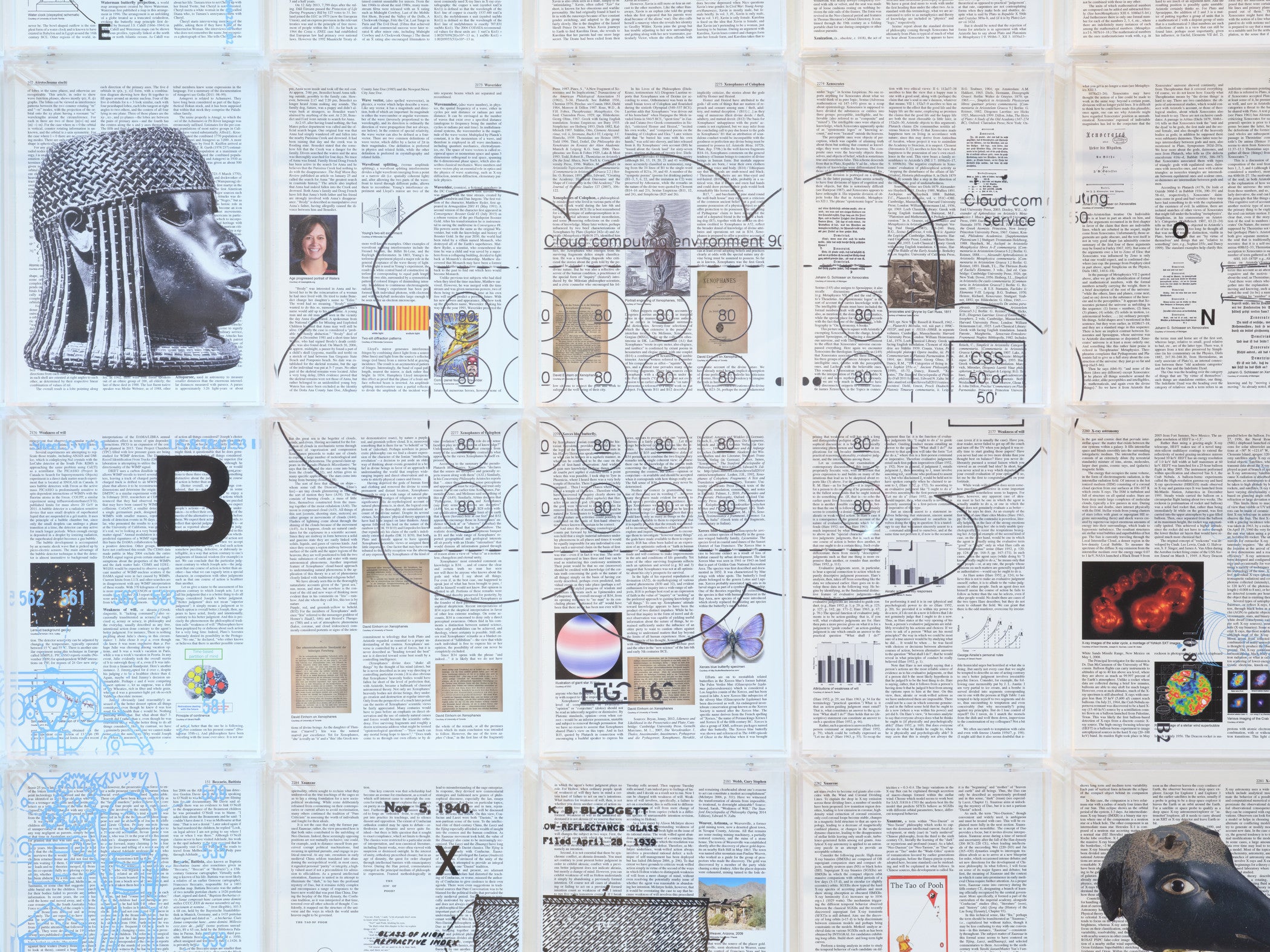
DN: There are a lot of facts embedded in your work, lots of named figures in your work, moments in history, places, details. I’ve been thinking about what happens if I don’t know that person’s name or that story. What is the object doing if I don’t know those details? It comes back to the larger project around knowledge.
TS: Is a bicycle wheel any less beautiful without the Duchampian context? If I walked in and didn’t know anything, I’d think: that wheel looks dope. I like the way the screw is threaded; I like the way the spokes of the wheel sit. If you didn’t know the history of Mardi Gras and you showed up in the middle of Mardi Gras, you’d still think, “This is fire.”
DN: You are talking about a worldview that is about the worthiness of all kinds of objects and cultural expression; we can consider the importance of all kinds of things equally, and we can bring our own knowledge and our own sense of pleasure to the experience. We are actually, to use your word, empowered to make those distinctions and judgments ourselves.
TS: I think to decide that something is or isn’t beautiful based on your own faculties, which is all we have, totally makes sense. But I also think we should have space to imagine a world where we’re wrong. Or to know that there are multiple ways to understand; there’s a plural kind of position to take. All things can be true.