




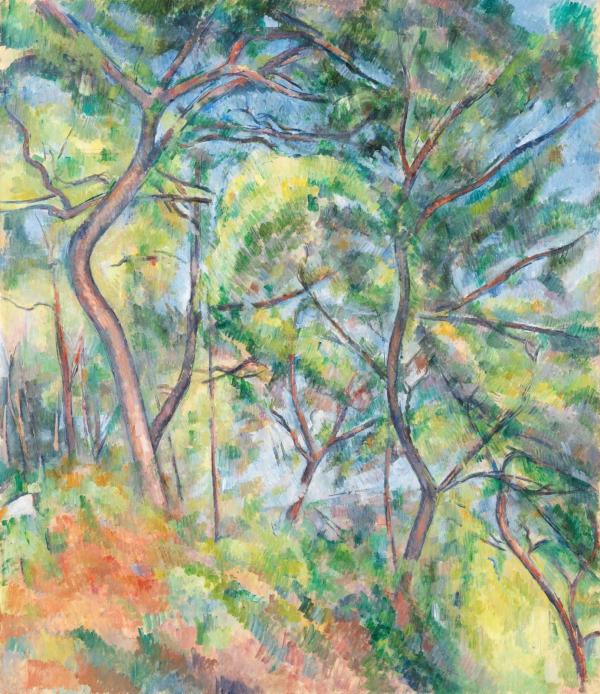
A new year means it’s time for fresh ideas and creative perspectives. As we look ahead to 2026, we're excited to share a lineup of current and upcoming exhibitions that celebrate art and culture in its many forms, from masterpieces of Impressionism to exquisite examples of Chinese fashion to legendary works of cinema. Here’s what not to miss at the museum on view right now and in the months ahead.
Remember, LACMA is open as usual on Thursday, January 1, so you can start your new year in Los Angeles with a day of art and inspiration. Make sure to check back for the latest information about current and upcoming exhibitions.
Now on View
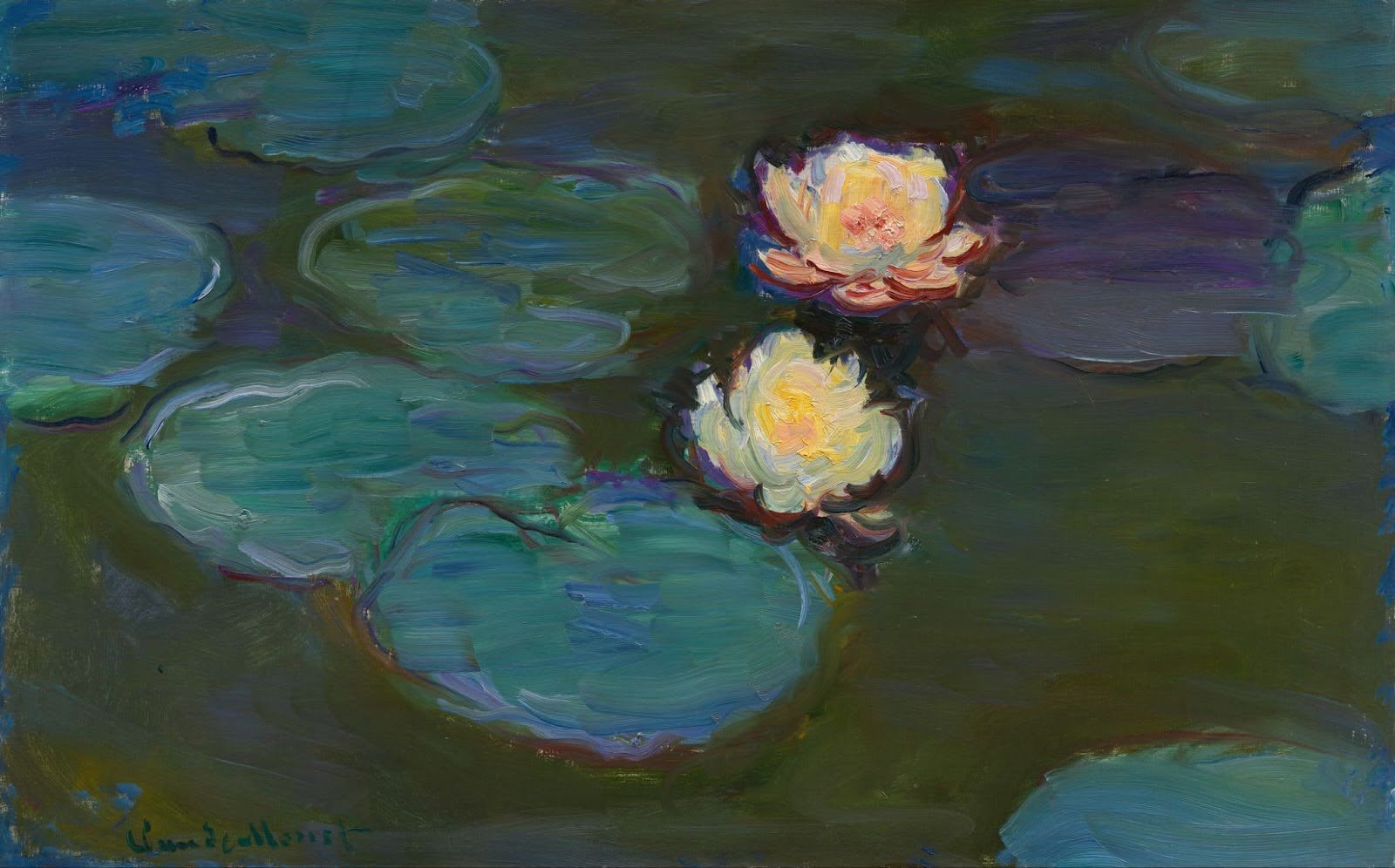
Collecting Impressionism at LACMA
Through January 3, 2027
Inspired by breakthroughs in industry and technology, visual culture in the final quarter of the 19th-century in France expanded well beyond the traditional media of painting, sculpture, and drawing to include advances in printmaking, photography, decorative arts, and fashion. Yet, 150 years later, French Impressionism single-handedly defines this period at American art museums. Unpacking the reasons why, Collecting Impressionism at LACMA offers a surprising narrative about the people and artists who shaped LACMA, interrogating how trends in “taste” informs the museum’s collection. From early acquisitions of American and California Impressionism to donations of paintings by Edgar Degas and Camille Pissarro from major Hollywood collectors, art was a tool of cultural legitimization that helped the institution grow in tandem with a developing city. Collecting Impressionism at LACMA illuminates the ways in which museum collections are constructed, and by extension, suggests how visitors can read the museum as a site of changing taste and changing narratives.
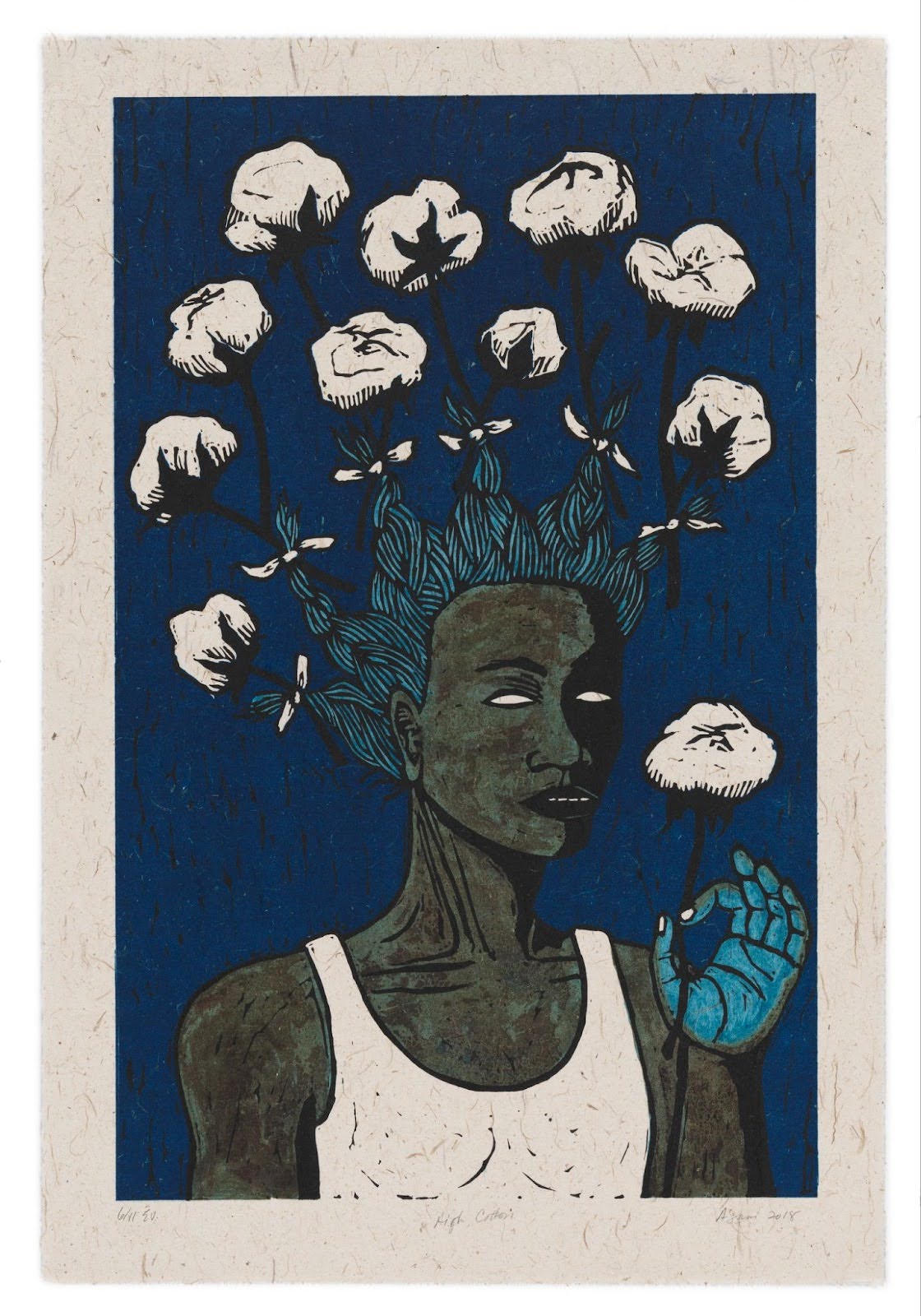
Deep Cuts: Block Printing Across Cultures
Through September 13, 2026
Deep Cuts explores the world's oldest and most versatile method of making multiple images. More than 150 works from Asia, Europe, and the Americas present the medium as both a means of creative expression and a vehicle for mass production that enabled images and ideas to circulate widely. Textiles, prints, and books offer intricate patterns and striking imagery that reveal block printing’s global history, from the patterned fabrics of India to the illustrated books of the Kelmscott Press to modern artistic experiments by German Expressionist artists and contemporary makers like Christiane Baumgartner. The exhibition also includes a section developed with Los Angeles–based Block Shop, highlighting how contemporary makers continue to reinterpret this enduring art form.
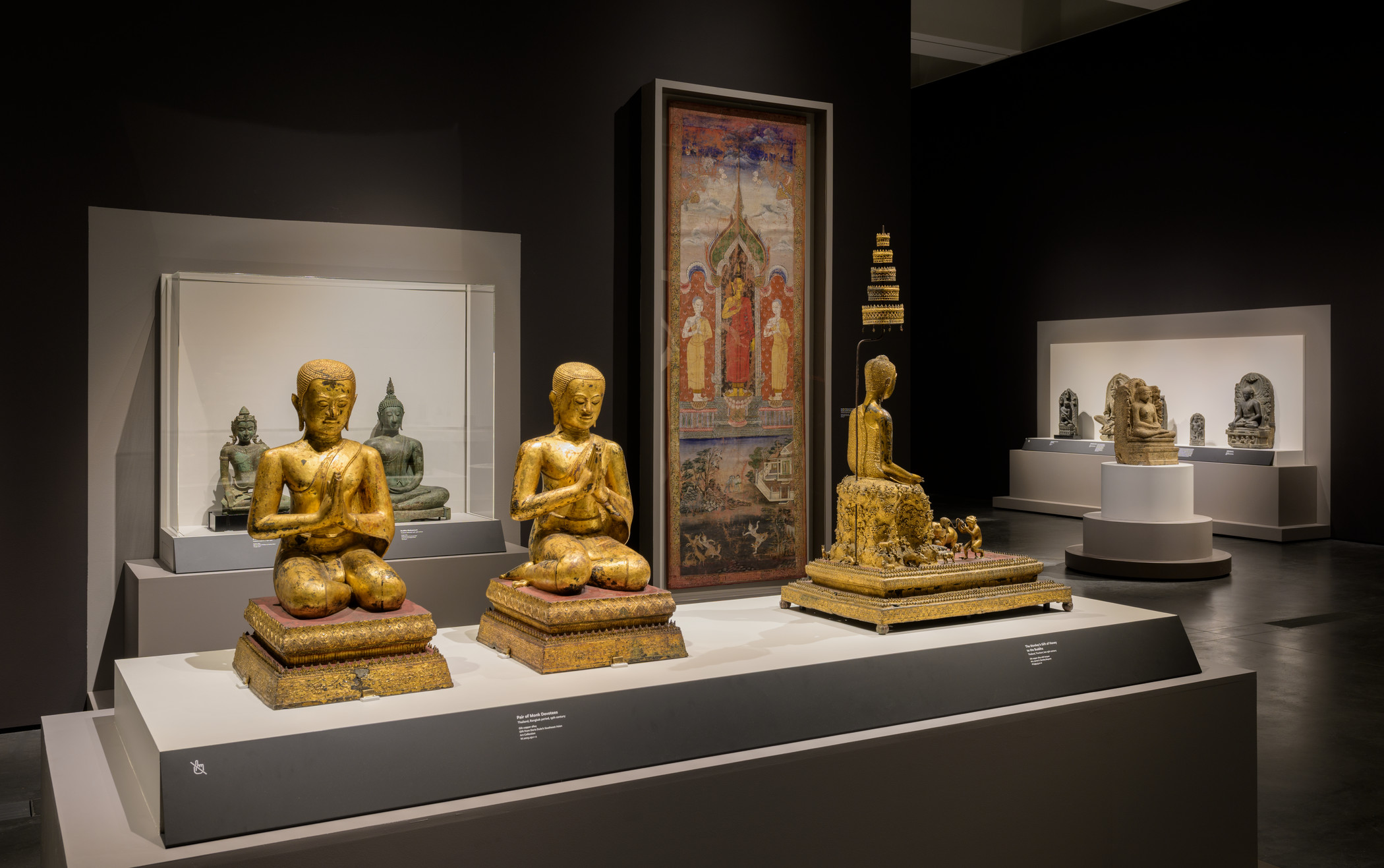
Realms of the Dharma: Buddhist Art Across Asia
Through July 12, 2026
Realms of the Dharma presents an international survey of Buddhism and Buddhist art, beginning with the religion’s origins in India and following its spread through mainland and island Southeast Asia (Myanmar [Burma], Thailand, Cambodia, Vietnam, and Indonesia), the Himalayas (Kashmir, Nepal, and Tibet), and East Asia (China, Korea, and Japan). Incorporating 180 masterpieces of pan-Asian Buddhist art, the exhibition introduces key concepts of Buddhist thought and practice viewed through the prism of rare and extraordinarily beautiful Buddhist sculptures, paintings, and ritual objects.
Grounded
Through June 21, 2026
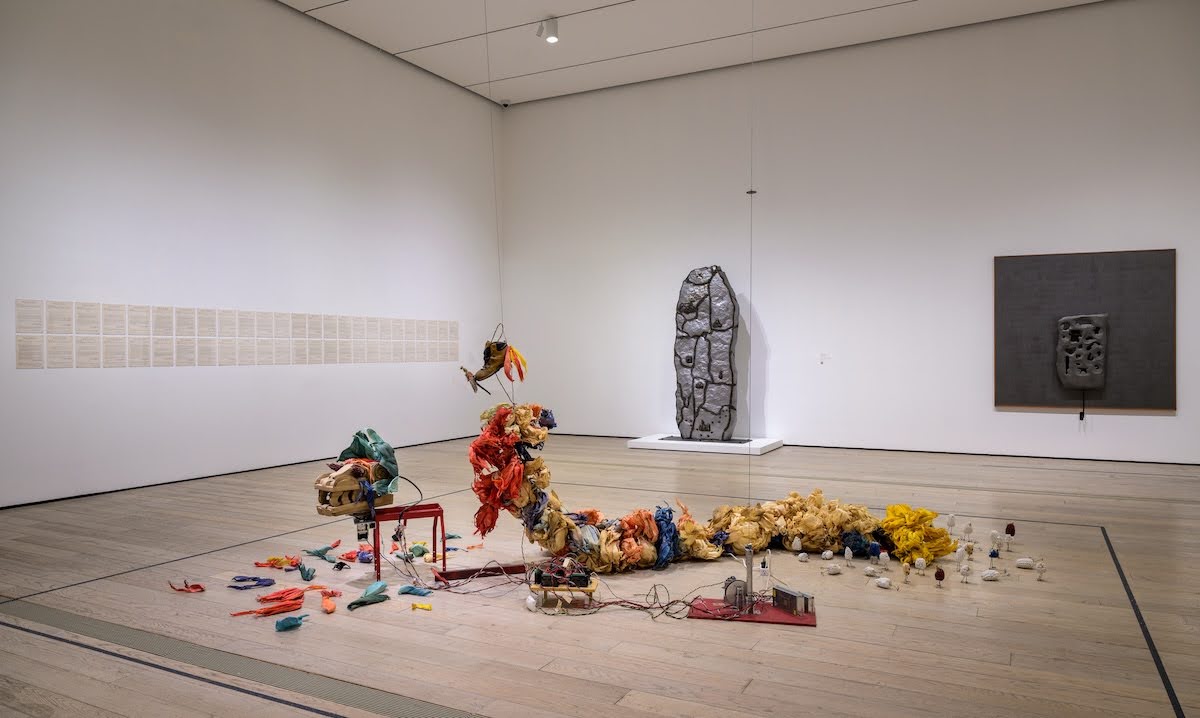
Grounded invites visitors to see land not just as terrain, but as a foundation for exploring ecology, sovereignty, memory, and home. Featuring 35 artists based in the Americas and the Pacific, the exhibition showcases 40 works, spanning the 1970s to today, with many on view for the first time. Works include Lisa Reihana’s monumental video installation In Pursuit of Venus [infected] that reimagines colonial narratives from her perspective as a Māori artist; photographs and video by Clarissa Tossin, Laura Aguilar, and Ana Mendieta that trace the artists’ bodies in dialogue with the earth; paintings and sculptures by Eamon Ore Girón, Courtney M. Leonard, and Rose B. Simpson that blend technology with Indigenous iconography and craft; and works by Leslie Martinez and Abraham Cruzvillegas that upcycle everyday materials to document consumption and to suggest possibilities for renewal.
Arp—Klee: With Selections from the Janice and Henri Lazarof Collection
Through May 31, 2026
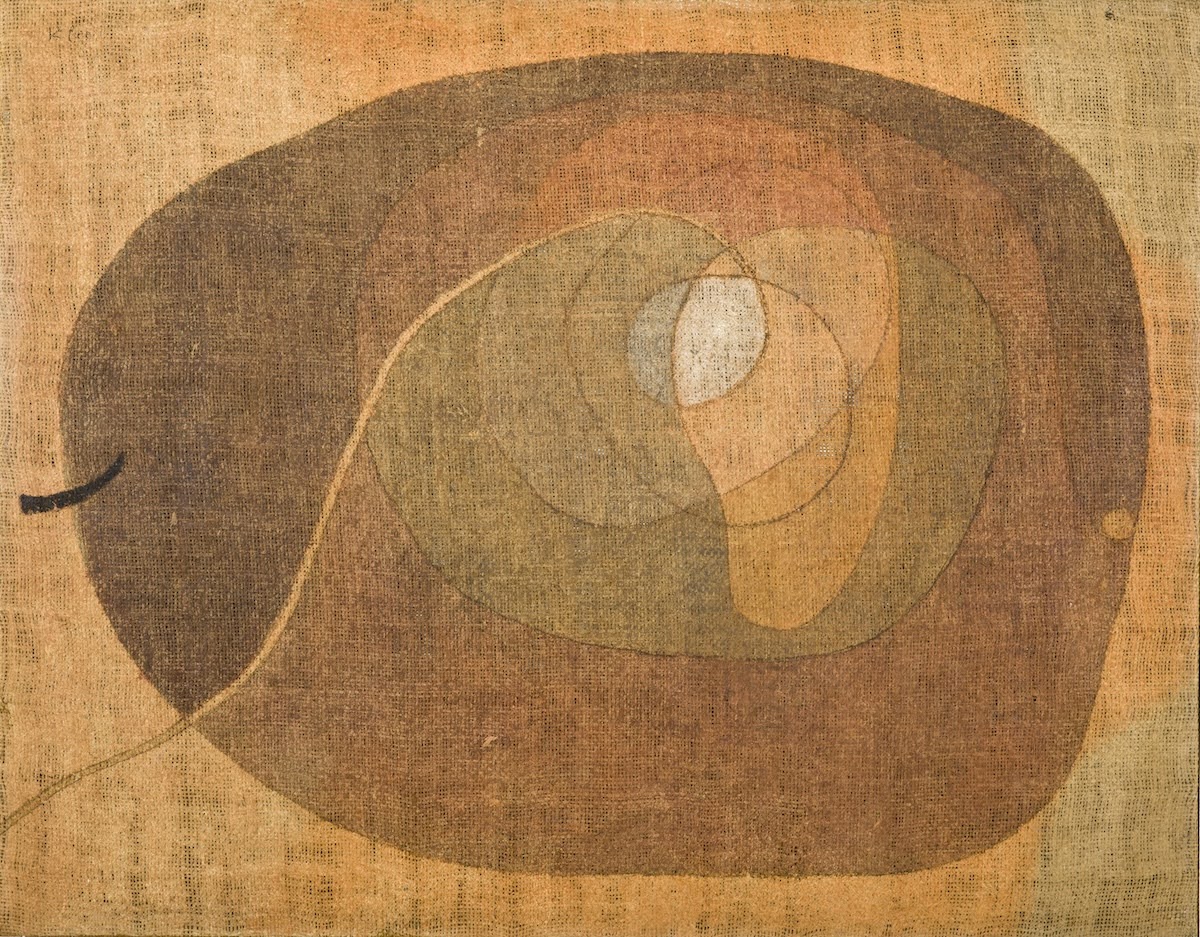
This presentation of works on paper with paintings and sculptures in the Modern Art Galleries draws primarily from two major collections of modern art: the Janice and Henri Lazarof Collection, formed in Los Angeles and gifted to LACMA 20 years ago, and the collection of Maria and Conrad Janis, recently bequeathed to LACMA from one of the sons of esteemed New York gallerist Sidney Janis. Through the lens of these two collections, this selection reflects on shared affinities between Jean Arp and Paul Klee, two key modern artists. Rejecting academic conventions, both artists drew inspiration from folk traditions, children’s drawings, and non-European art. Though their styles are distinct, Arp and Klee shared a deep fascination with the regenerative processes of nature—a resonance that shaped each artist’s exploration of abstraction, biomorphic form, and an expressive, almost whimsical use of line.

Austrian Expressionism and Otto Kallir
Through May 31, 2026
This intimate presentation on view in the Modern Art Galleries, part of a generous multiyear gift from the Kallir Family Collection, celebrates Otto Kallir’s legacy as a scholar and gallerist who brought Austrian modernism to American audiences. Featuring paintings, drawings, and prints, it includes LACMA’s first painting by Gustav Klimt, several newly acquired works by Egon Schiele, and the visually striking periodical Ver Sacrum—all hallmarks of Viennese Expressionism.
Tavares Strachan: The Day Tomorrow Began
Through March 29, 2026
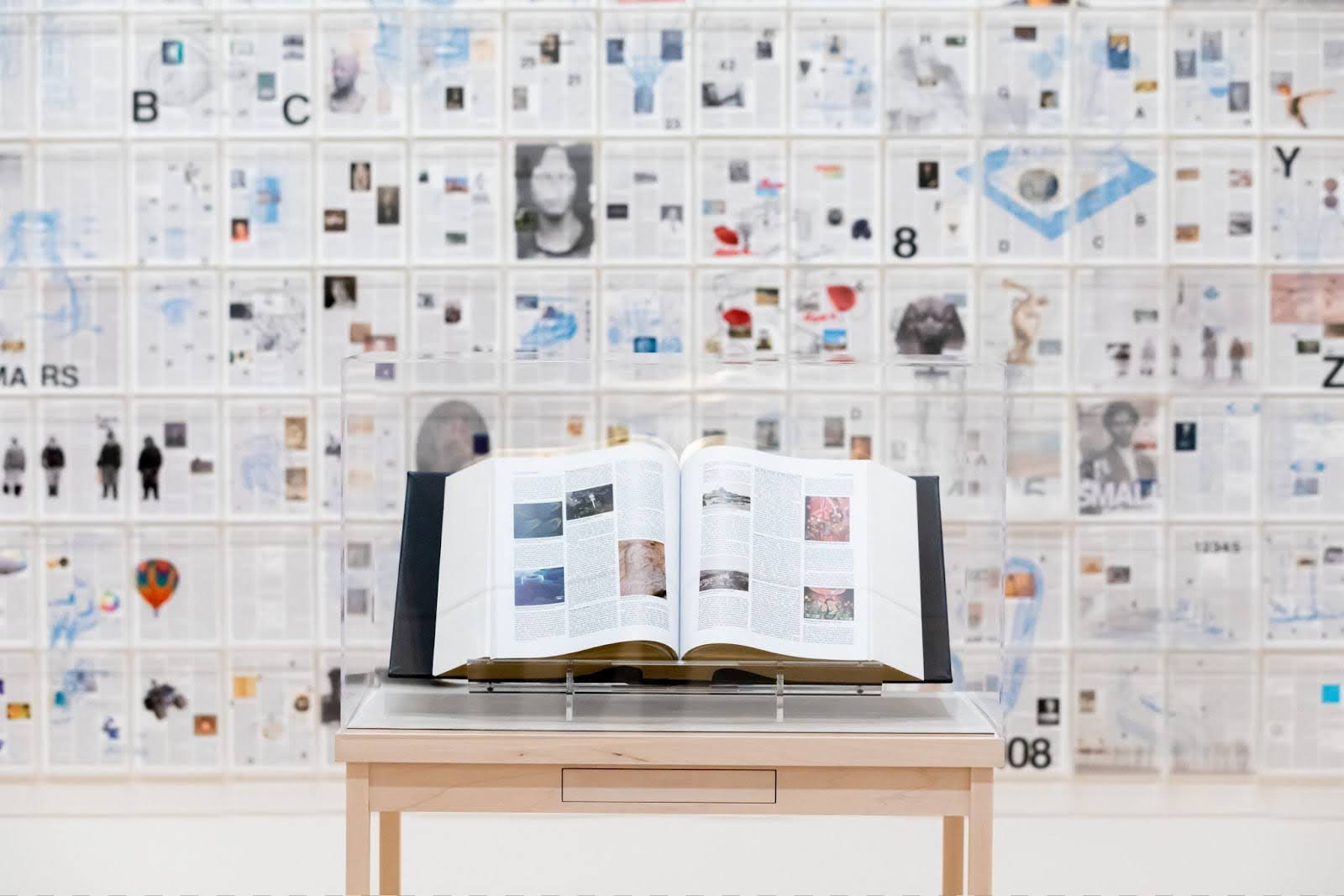
Strachan's first museum exhibition in Los Angeles, invites viewers into immersive multisensory installations. Each of the exhibition’s rooms presents a distinct environment, from uncanny everyday spaces to a field of rice grass populated with ceramic figures to a gallery of monumental bronze sculptures. Strachan is interested in what has been rendered invisible within mainstream narratives. His singular artworks—across media including neon, ceramics, bronze, painting, text, music, and performance—illuminate stories through which new ideas can emerge. Strachan was a recipient of the 2014 LACMA Art + Technology Lab Artist Grant and in 2022 was named a MacArthur Foundation fellow.

Now Showing: Youssef Nabil’s I Saved My Belly Dancer
Through January 11, 2026
Designed to evoke the type of mid-century cinema where the films that inspired Youssef Nabil’s art were shown, this exhibition showcases the artist’s 2015 video I Saved My Belly Dancer, a recent LACMA acquisition. It also features 11 related photographs that parallel the filmic storyline, along with contemporaneous Egyptian film posters. Like much of Nabil’s work, the subject matter is subtly autobiographical and reflects his longing for the past, one that he lived vicariously through the old movies he watched obsessively on television while growing up in Cairo. Tahar Rahim performs as the artist’s alter ego and the belly dancer is played by Salma Hayek. The video and photographs have a dream-like, otherworldly quality further delineated by the unearthly intensity and tonality of the color palette, which the artist hand-painted on silver gelatin prints and colorized frame by frame with concentrated, supersaturated hues.
Diffuse Control by Beeple
Through January 4, 2026
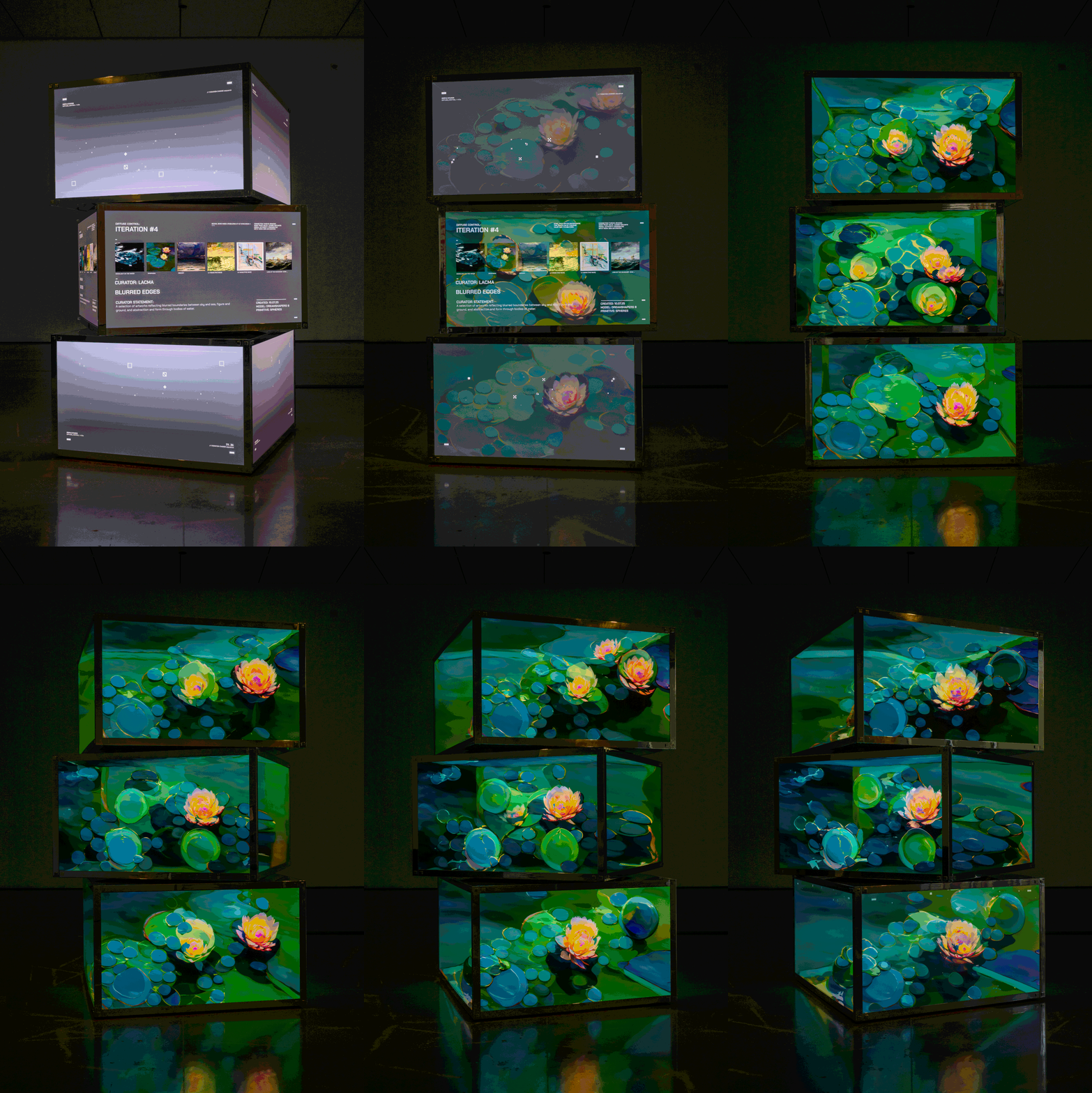
Diffuse Control is an image-generating sculpture that invites visitors to collaborate with artificial intelligence. A custom website allows participants to interact with the AI generative system, which transforms images of select public domain artworks from LACMA’s permanent collection. The sculpture—comprising 12 large video screens—displays the resulting images, allowing the audience to remix this new creation in real time and generate unique prints from the sculpture. As the exhibition progresses, the work will continue to evolve based on the input of new collaborators. Beeple’s work seeks to dissolve boundaries between artist and audience, making the creative act a shared experience.
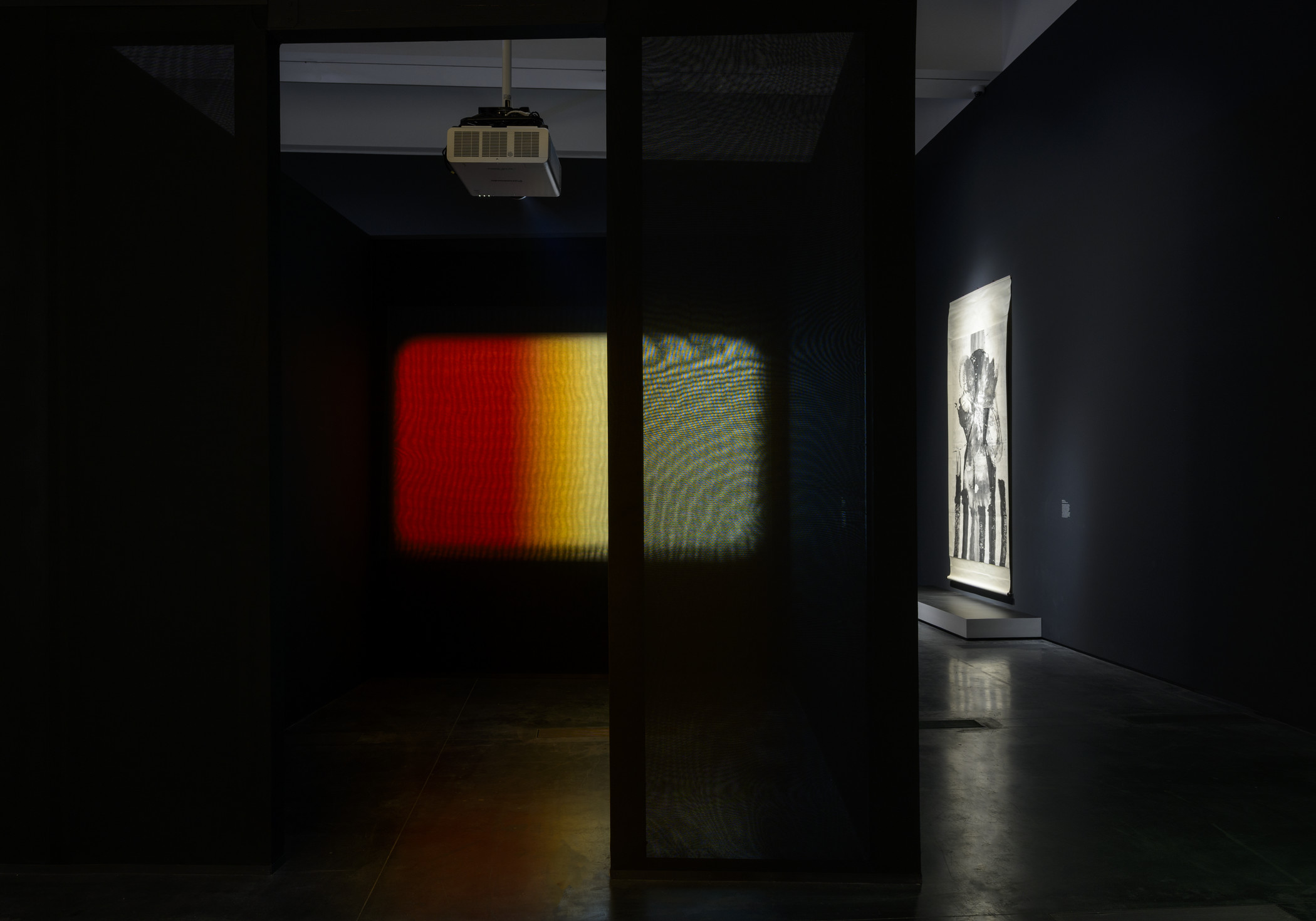
Zheng Chongbin: Golden State
Through January 4, 2026
Over the past four decades, Shanghai-born, Marin County–based artist Zheng Chongbin has cultivated a unique practice that engages with the driving concepts and aesthetics of the Light and Space movement and East Asia’s tradition of ink painting. Educated in both traditional Chinese figurative painting and installation and performance art, Zheng synthesizes these seemingly disparate practices into unprecedented signature painting and video techniques. Zheng Chongbin: Golden State is a focused presentation that features two video installation pieces coupled with painted and printed works. Through abstract forms and distorted views of California’s natural landscape, Zheng explores water, light, and movement in his signature works.
Coming Soon
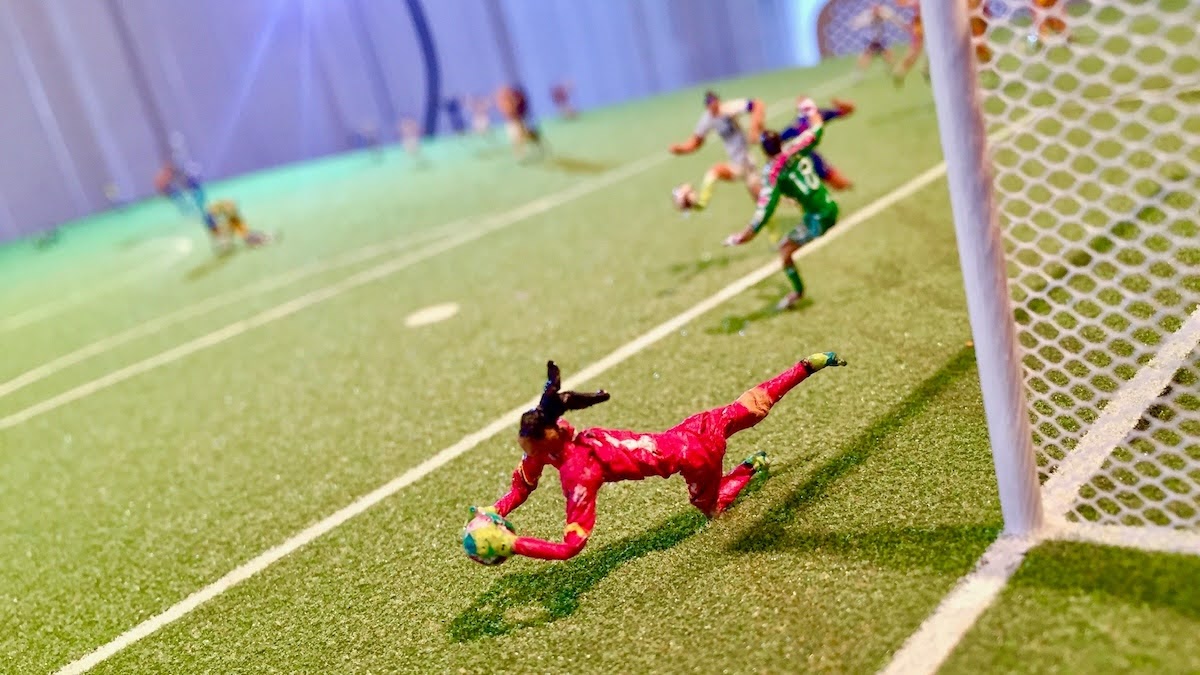
Fútbol Is Life: Animated Sportraits by Lyndon J. Barrois, Sr.
February 15–July 12, 2026
Celebrating the arrival of the World Cup in Los Angeles, Fútbol Is Life presents works by award‑winning animator and visual‑effects artist Lyndon J. Barrois, Sr. crafted from gum wrappers, glue, paint, and other materials, his miniature “sportraits” capture iconic moments in women’s and men’s soccer. Barrois brings a playful yet emotional energy to his meticulously hand‑made sculptures and stop-motion animations, which showcase the game’s grace and power. Fútbol Is Life highlights the artist’s inventive approach to storytelling and animation through his unique vision of the world’s most beloved sport.
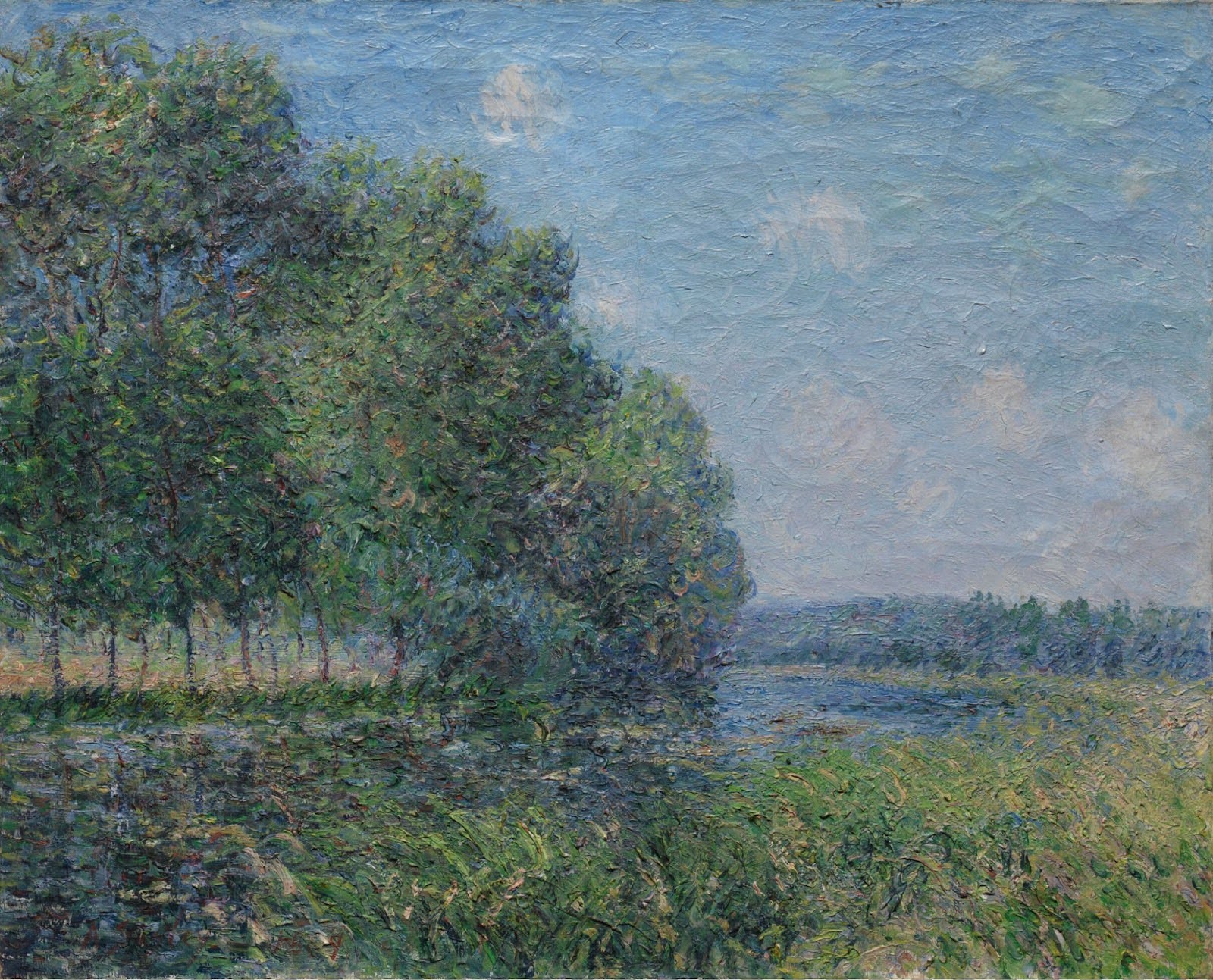
Village Square: Gifts of Modern Art from the Pearlman Collection to the Brooklyn Museum, LACMA, and MoMA
February 22–July 5, 2026
Village Square brings together nearly 50 paintings, sculptures, and works on paper from the Henry and Rose Pearlman Collection in a celebration of art and community. The exhibition showcases expressive landscapes and striking portraits by Cézanne, Degas, Manet, Modigliani, Sisley, Soutine, Toulouse-Lautrec, and others. Many of these bold, dynamic works grew out of close friendships among artists, and on occasion with Henry Pearlman himself. Village Square honors the Pearlmans’ belief in art’s power to create shared experiences and foster connections. This is the final opportunity to see the collection before it is gifted to museums across the country; six important works will remain at LACMA, strengthening its modern and Impressionist holdings.
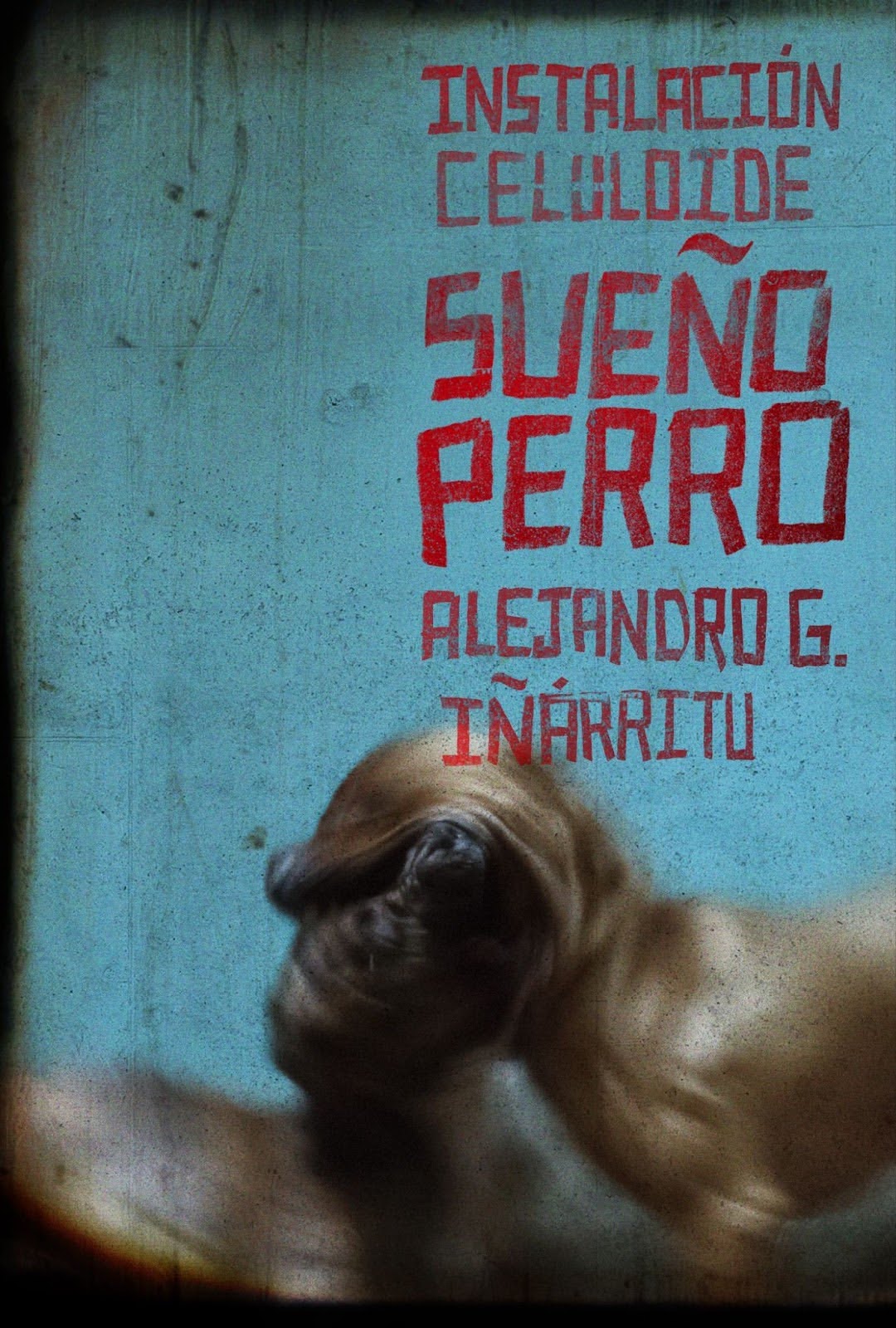
SUEÑO PERRO: A Film Installation by Alejandro G. Iñárritu
February 22–July 26, 2026
This multisensory installation, rooted at the intersection of cinema and visual art, marks the 25th anniversary of Alejandro G. Iñárritu’s legendary debut feature Amores Perros (2000). Over a million feet of film were left behind on the cutting room during the film’s edit. A selection of these never-before-seen fragments has been excavated from the archives for the first time, and they are illuminated here by an assemblage of 35mm projectors, forming a mosaic of celluloid and sound bites of Mexico City collected over the last decades. Stripped of all narrative, the installation is not a tribute but a resurrection—an invitation to experience what never was. Drawing on the raw power and visual poetry of imagery left behind long ago, SUEÑO PERRO presents film as living material—one that is composed of time, light, and space—prompting us to ask: How many films exist within a film?
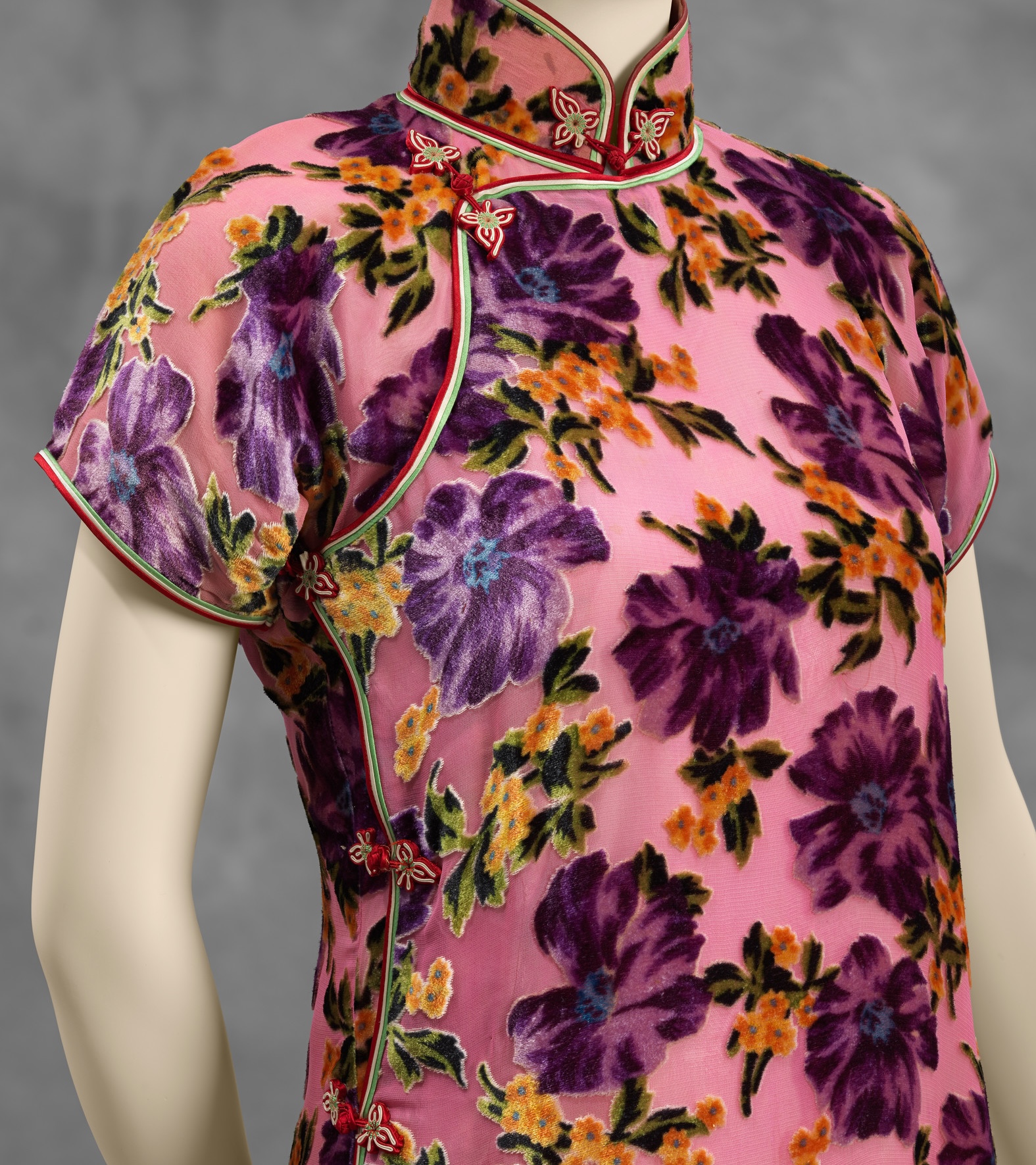
Fashioning Chinese Women: Empire to Modernity
June 14–October 25, 2026
Fashioning Chinese Women traces a century of transformation through more than 70 exquisite ensembles from Shanghai, Hong Kong, and America. It charts the evolution of Chinese women’s dress, from loose-fitting embroidered robes of the late Qing Dynasty to the sleek silhouettes of 1930s qipao and the globally iconic cheongsam of the 1960s. Vibrant colors, sumptuous silks, and intricate trims showcase the meticulous craftsmanship that is the hallmark of these garments. Displayed on mannequins customized by fashion designer Jason Wu, the works in the exhibition present a seldom-seen story of how Chinese and Chinese American women expressed identity, navigated change, and shaped their lives through dress.