




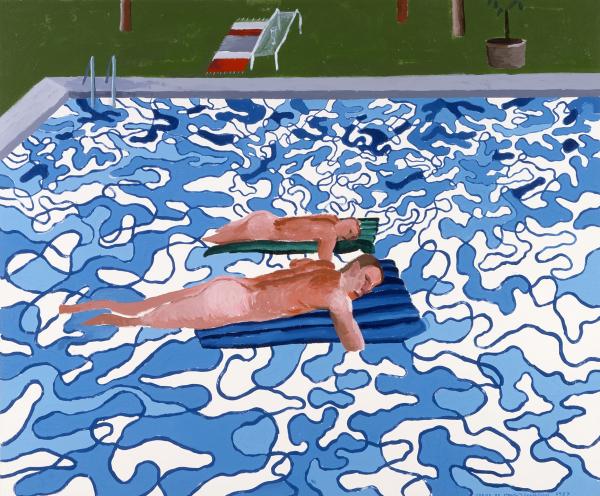
Art history has long been shaped by queer artists, communities, and perspectives, even when those stories have not always been readily apparent. This Pride Month, on June 12 and June 26, you’re invited to join LACMA's Visible and Vibrant tours, which explore the LGBTQ+ histories of works currently on view in the Modern Art Galleries, highlighting artists who challenged convention in their lives, relationships, and creative practices. Below, discover five featured works that continue to expand our understanding of queer art and expression.
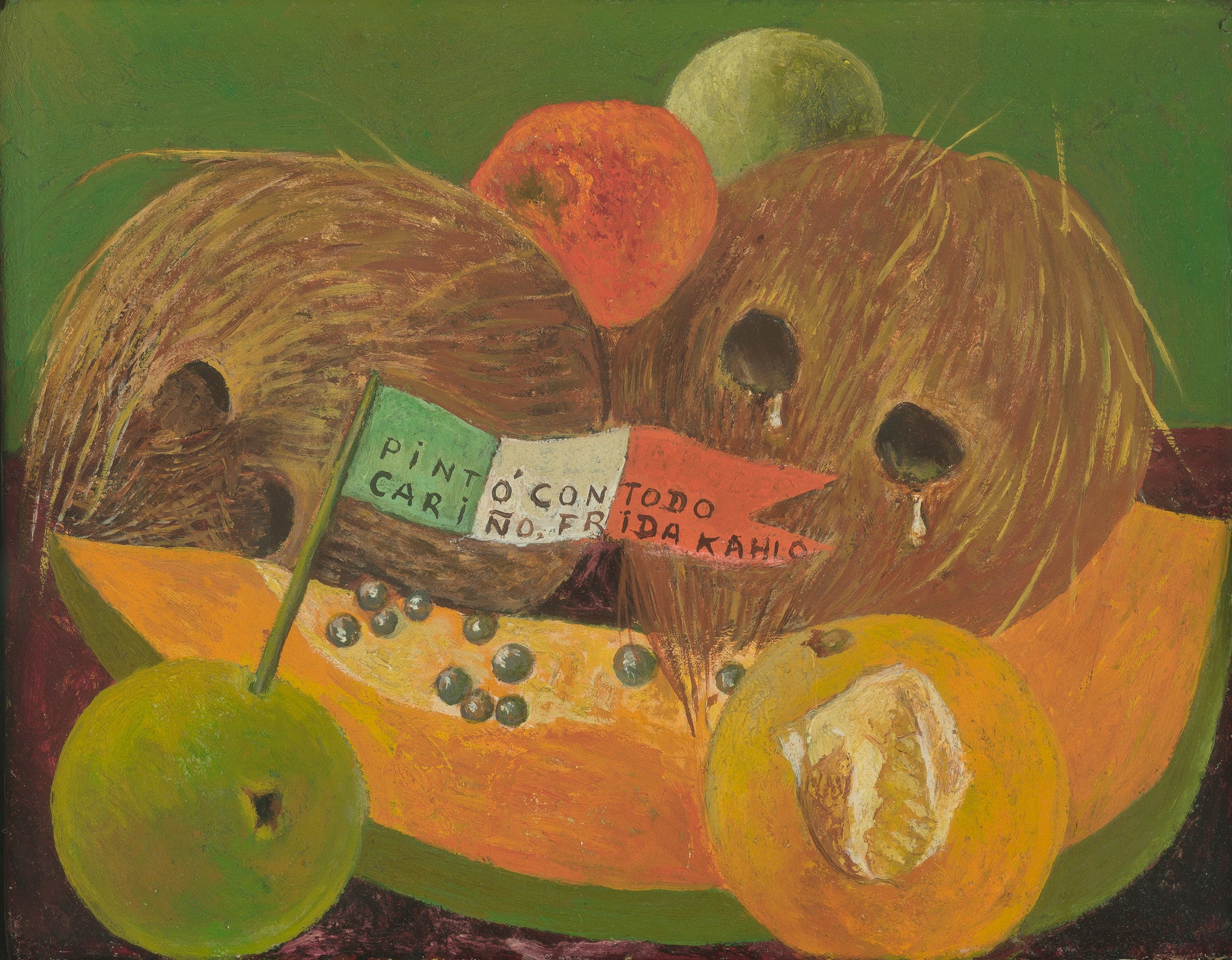
Frida Kahlo
Weeping Coconuts (Cocos gimientes), 1951
Frida Kahlo began to paint in 1925 while recovering from a streetcar accident that left her permanently disabled, and undertook still-life painting at the end of her life, when her health further deteriorated. In Weeping Coconuts (Cocos gimientes), the anthropomorphized fruit appears to be crying, one of many symbolically charged depictions of pain the artist created throughout her life. Kahlo defied social norms not only through her art—depicting her experiences with disability and engaging with themes of love, gender, national identity, and political struggle—but also as an openly bisexual woman. Her willingness to define herself on her own terms have enabled her art to remain relevant to queer communities and people with disabilities alike.
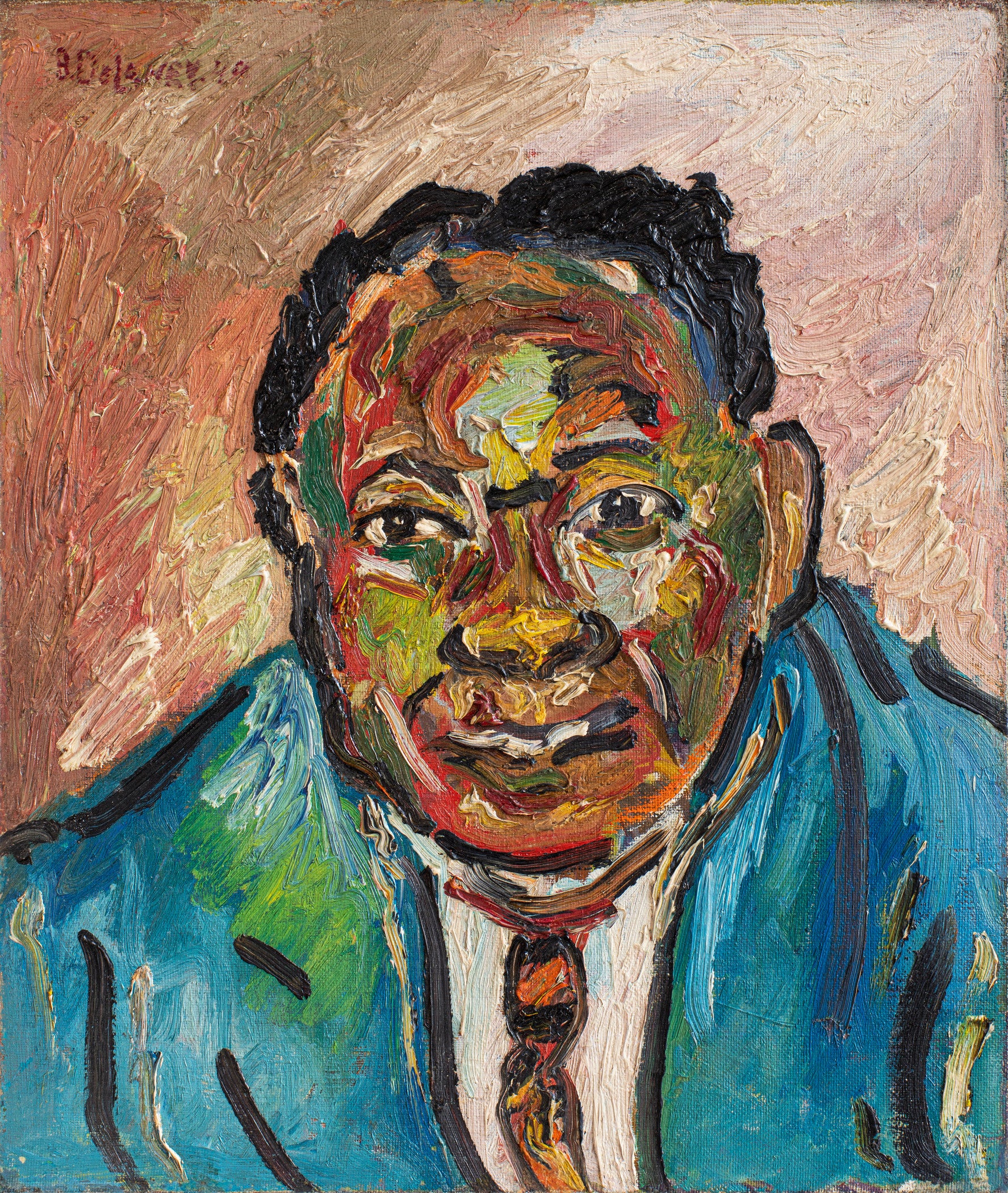
Beauford Delaney
Negro Man (Claude McKay), 1944
While living in New York, Beauford Delaney painted this colorful portrait of his friend Claude McKay, the Jamaican-American writer and poet who recorded his radical views on the injustices of Black life in America and his belief in the importance of Black autonomy through socialist revolution. Like many other influential figures of the Harlem Renaissance, both Delaney and McKay were queer, though Delaney usually kept this aspect of his identity private. “Perhaps I am so struck by the light in Beauford's paintings because he comes from so much darkness—as I do, as in fact, we all do,” said James Baldwin, another influential queer Black writer who began a lifelong friendship with Delaney around the same time this portrait was painted. “I do not know, nor will any of us ever really know, what kind of strength it was that enabled him to make so dogged and splendid a journey.”
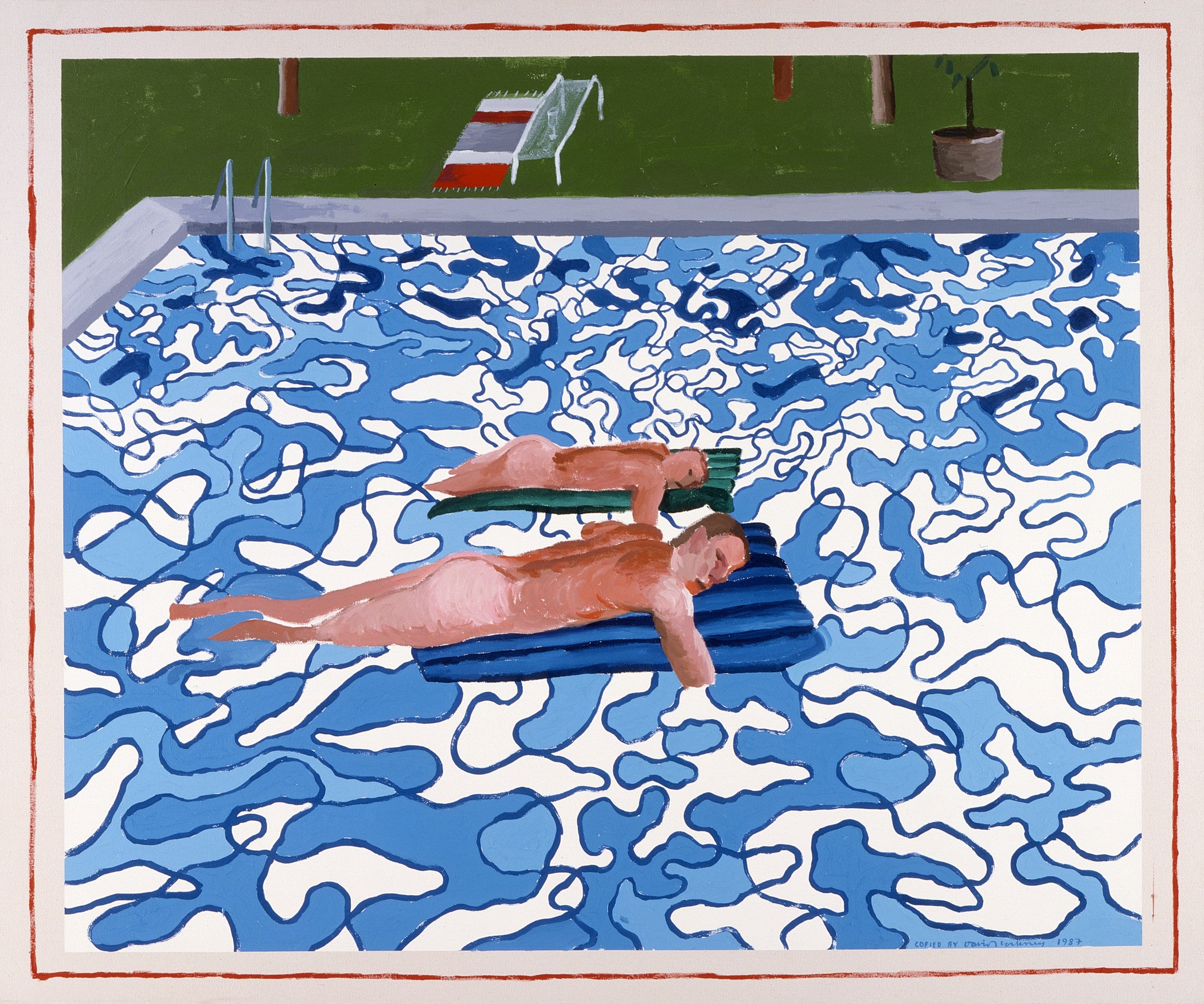
David Hockney
California Copied From 1965 Painting in 1987, 1987
Hockney came out as gay when he was 23, at a time when homosexuality was illegal in the UK. After saving money from selling his paintings, he moved from London to Los Angeles. This composition was originally created in 1965 (before being repainted and donated to LACMA in 1987), the year following Hockney's first arrival in sunny L.A. as a gay twenty-something leaving behind the gray skies and, by his own accounts, stifling social atmosphere of England. Hockney’s friends and lovers swimming, sunbathing, and showering would become some of his most common subjects, and these uninhibited scenes that convey the relative freedom the artist found in California eventually helped define the image of 20th-century gay life, as well as Los Angeles itself, in the popular imagination.
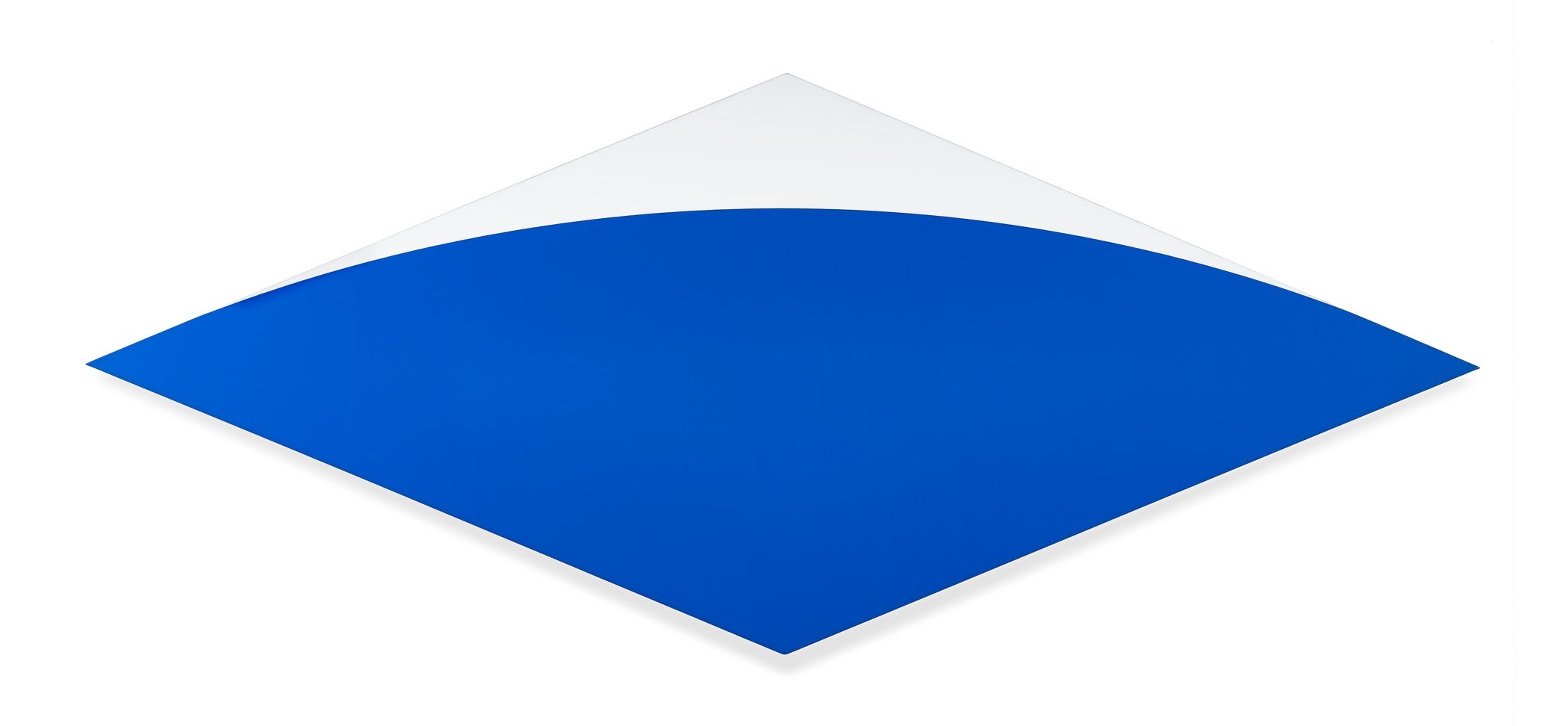
Ellsworth Kelly
Blue Curve III, 1972
This bold minimalist painting exemplifies Ellsworth Kelly’s signature purity of form, color, and space, reflecting a deeply personal formal sensibility in which meaning is often felt and generated by the viewer more than it is depicted. The wide and expansive composition seems rife with possibilities and encourages us to think differently about what “queer art” can look like, informing a broader understanding of LGBTQ+ visibility in the arts. Kelly, an openly gay man, was part of a vibrant artistic community in New York and was for a time in a romantic relationship with artist Robert Indiana, who credited Kelly with broadening his personal and artistic horizons: “With Ellsworth, my whole life perspective changed. All of a sudden, I was in the twentieth century.”
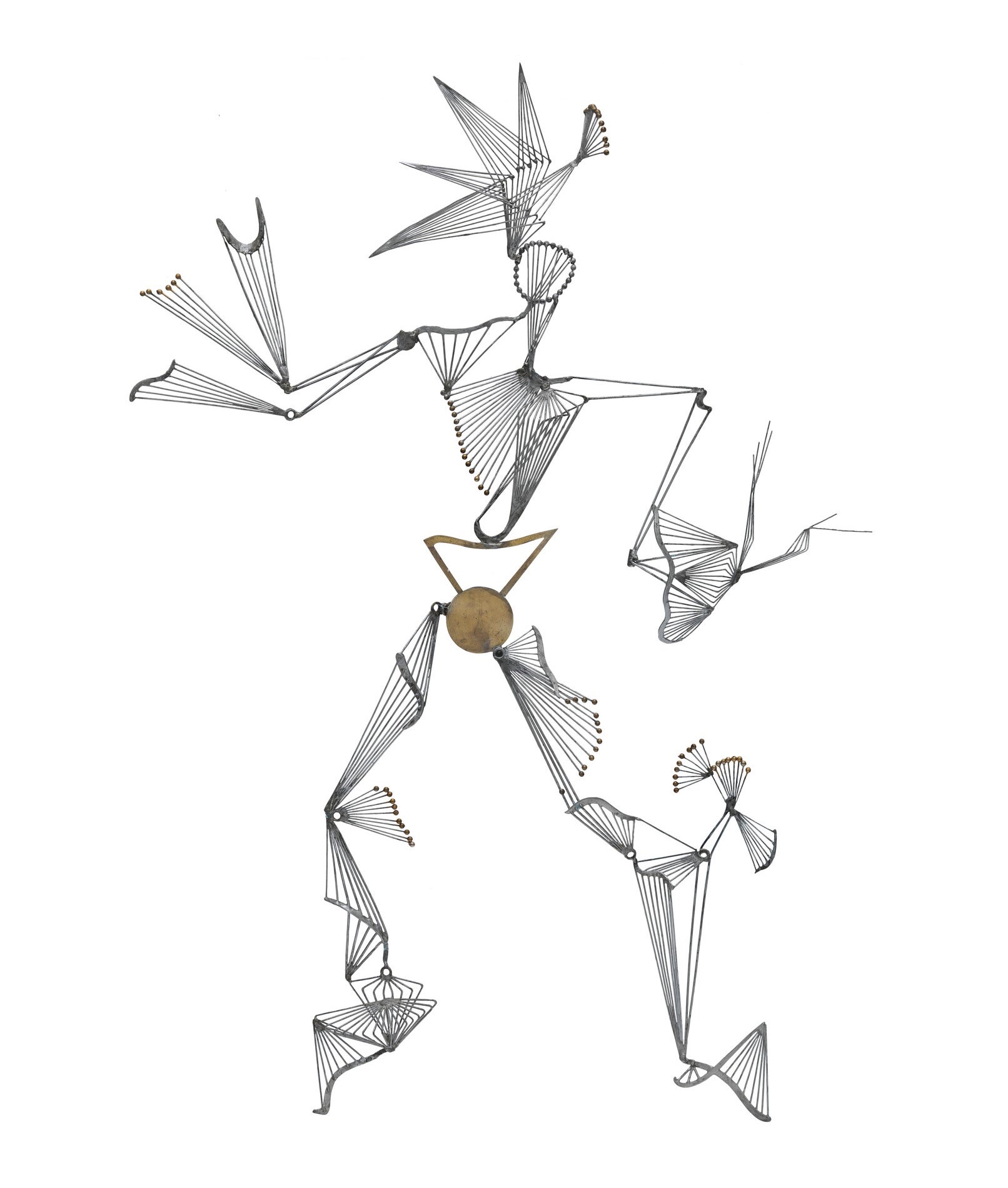
Alice Rahon
Juggler, 1946
In the 1940s, Alice Rahon wrote a ballet titled Le Ballet d’Orion after a trip to India with her friend and sometimes lover poet Valentine Penrose. First conceived as a character for this ballet, the Juggler was mapped out as a gouache painting of white points and lines on black paper, then realized as a three-dimensional figure made from metal. As multivalent as her dynamic, non-gendered Juggler, Rahon was bisexual, bicultural (the French-born artist would become a citizen of Mexico after being invited to the country by her friend Frida Kahlo), multitalented, and fiercely independent, breaking taboos about female sexuality and seeking to go beyond the limits of what a woman of her time could do professionally and personally.
Visible and Vibrant: LGBTQ+ Artists in LACMA’s Collection takes place this month on Friday, June 12, and Friday, June 26, and is free with museum admission. These are the last of this season’s Visible and Vibrant tours before the series resumes this fall.