




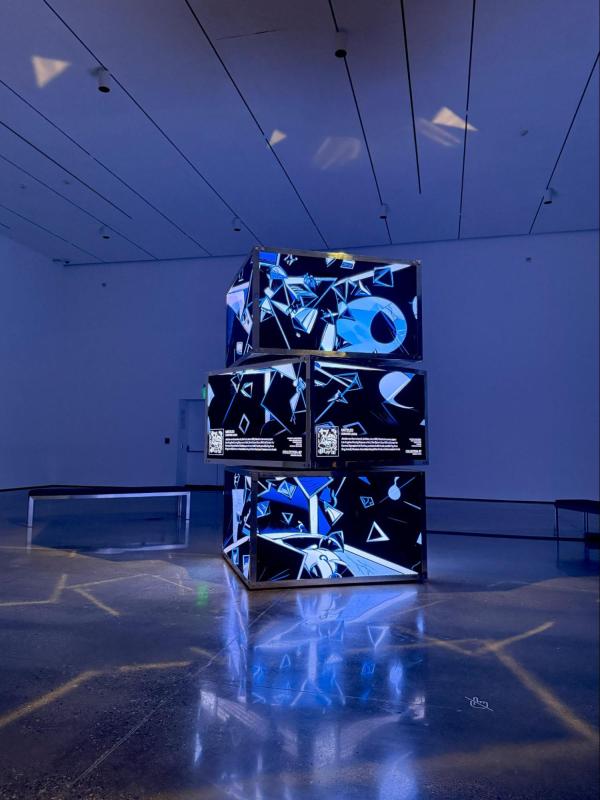
Beeple’s Diffuse Control is an image-generating sculpture that invites visitors to collaborate with artificial intelligence. A custom website allows museum visitors to interact with the AI generative system, which transforms images of select public domain artworks from LACMA’s permanent collection, organized in five iterations. The sculpture—comprising 12 large video screens—displays the resulting images, allowing the audience to remix this new creation in real time. Diffuse Control by Beeple is on view through January 4, 2026.
Here, Hope Flores, curatorial assistant, Wallis Annenberg Photography Department, reflects on artworks selected for the iteration Matrix Residua.
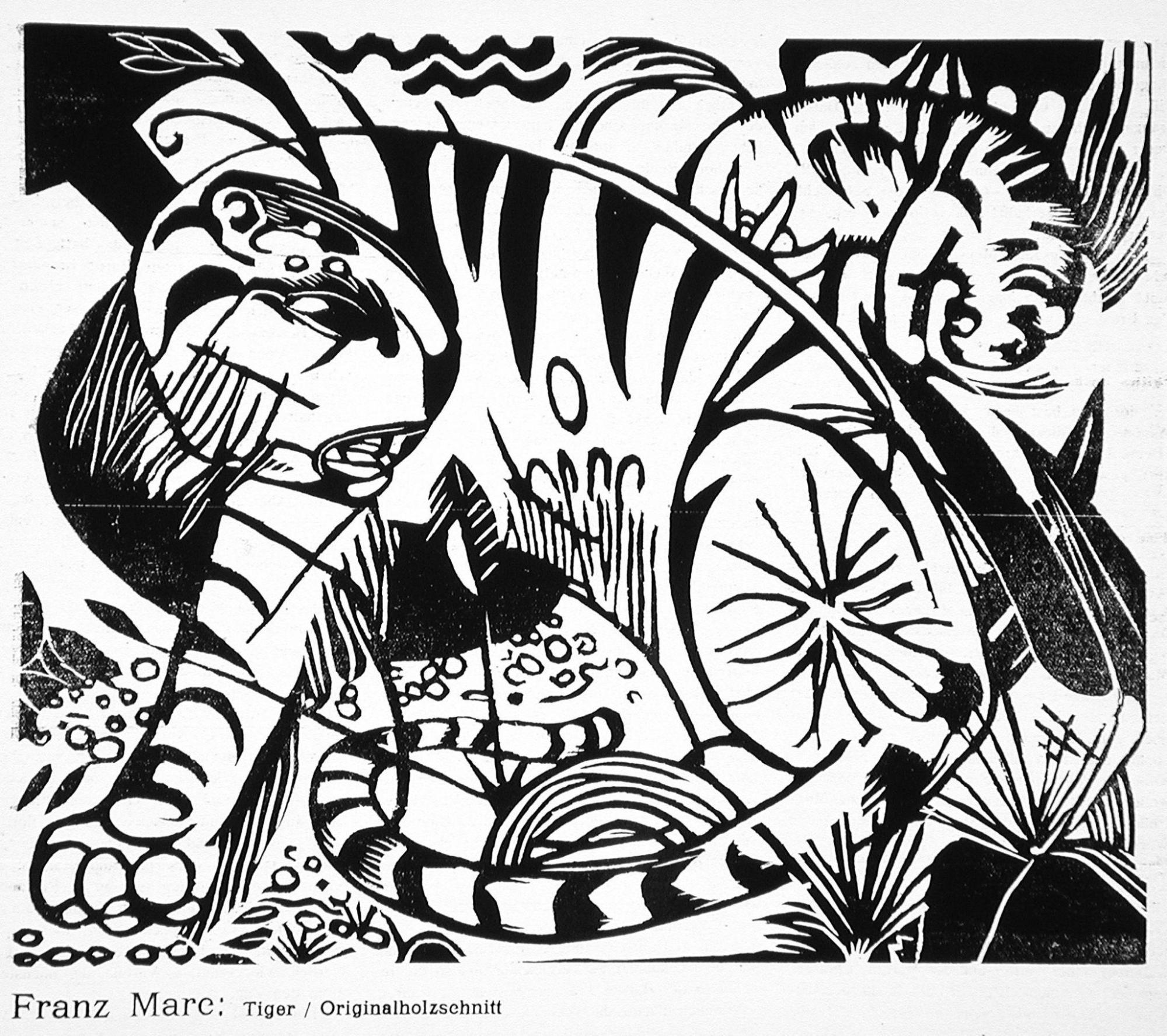
Matrix Residua frames itself between two worlds: the tactile past of handmade image-making and the algorithmic present of AI generativity. Its title refers primarily to the woodblock matrix, a carved block of wood that serves as the canvas for woodcut printmaking. The matrix is the literal plane where the artist's hand meets material resistance, leaving behind a carved image that can be inked and reproduced on paper. The resulting print is itself an impression of the matrix—an image twice removed from the hand that made it. Yet throughout this process of reproduction, the artist’s hand persists as residua: the ghost-like traces of human mark-making that refuse to dissolve inside the machine. Digital image making, and now generative AI, creates an even greater distance between the hand of the artist and the artwork. So Matrix Residua asks: how can artificial intelligence be used to celebrate rather than obscure the hand of the artist?
In our 21st-century context, Matrix Residua also inevitably brings to mind the 1999 film The Matrix, with its retrofuturist vision of humanity entangled in layers of simulation, signal, and code. Matrix Residua intentionally references this iconic piece of dystopian media to probe the current trajectory of human interaction with digital systems. In the film, a literal personification of artificial intelligence, Agent Smith, hunts the human protagonist Neo through a fabricated digital reality. Despite Neo’s own superhuman ability in this realm, his true power lies in his refusal to sacrifice humanity to techno-fascist machine overlords, instead choosing to sacrifice himself, creating peace between the human and machine worlds. It is this residual trace of human empathy and selfless compassion, even in the depths of digital despair, that lies at the heart of Matrix Residua.
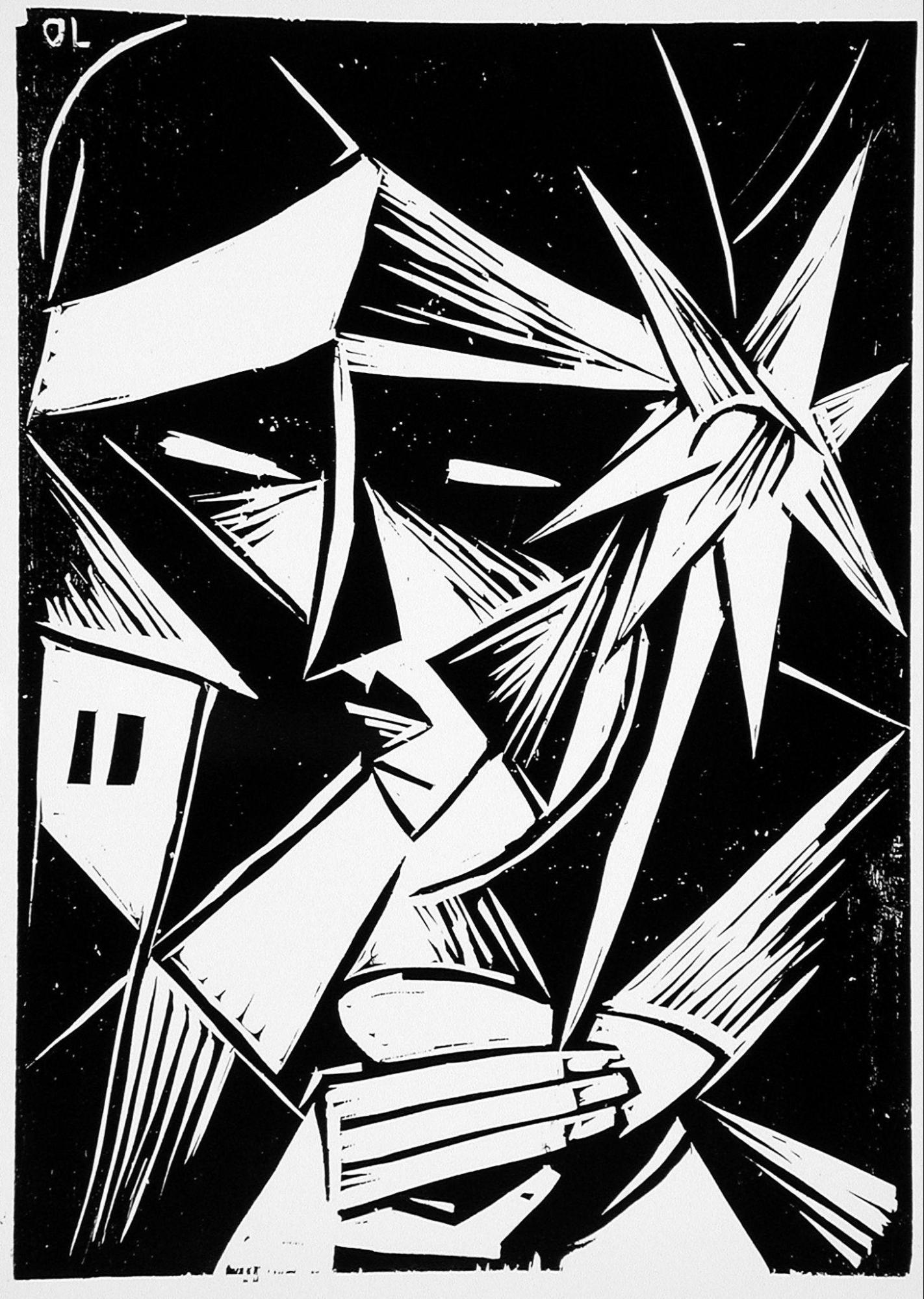
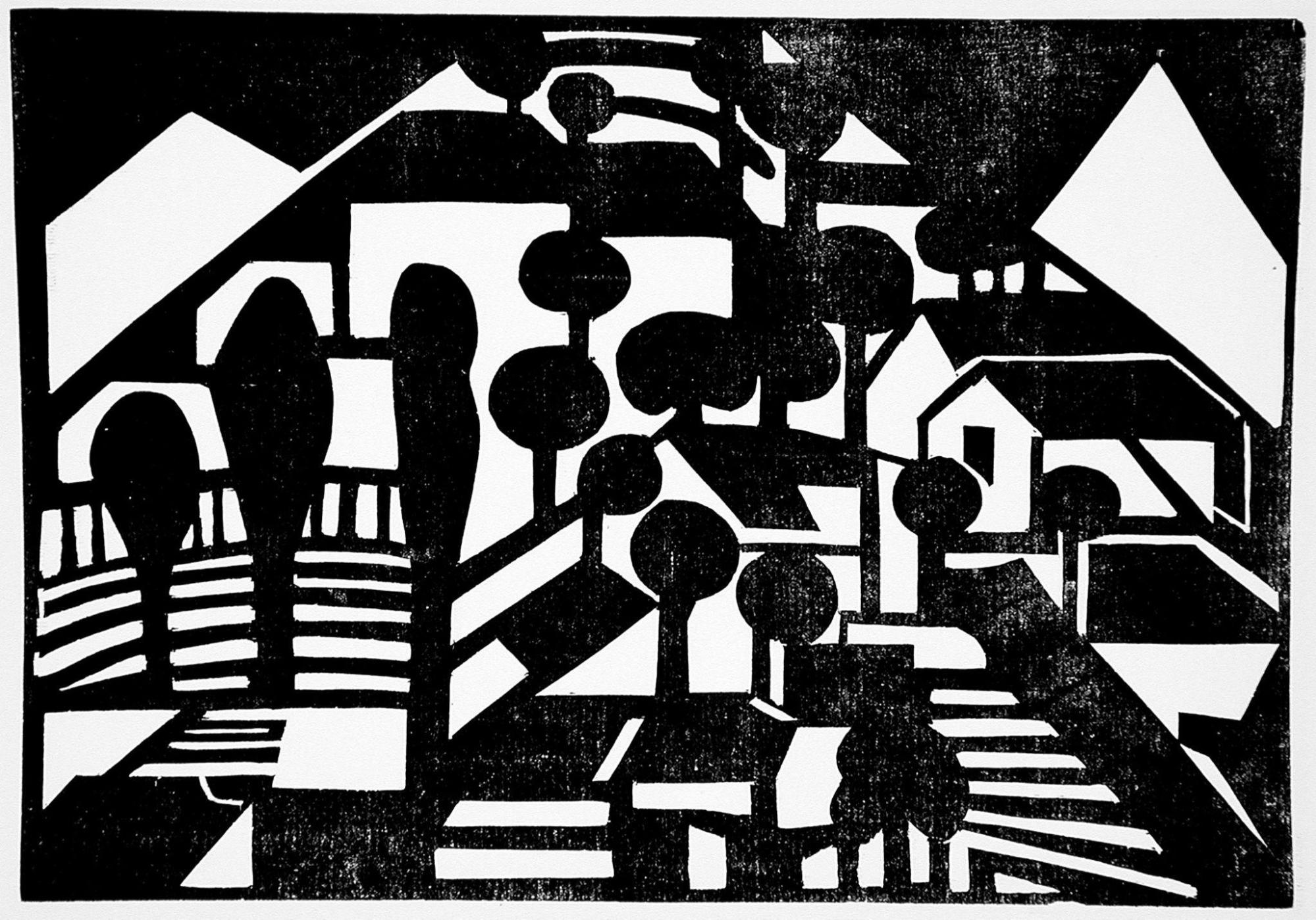
In fact, the German Expressionist woodcuts featured in Matrix Residua, all created between 1912 and 1931, could be understood as a direct response to the dehumanizing technological complex that emerged during the two World Wars. Writing in the same historical shadow, Walter Benjamin warned in “The Work of Art in the Age of Mechanical Reproduction” (1935) that modern image-making technologies would shift art away from its original ritualistic value and toward mass exhibitionist values, making art increasingly susceptible to political manipulation. Benjamin was especially concerned with how fascists—like those that arrested collection artist Otto Lange in 1933—use technological spectacle to aestheticize power while preserving inequitable social hierarchies. Matrix Residua heeds Benjamin's warning and asks how generative AI can be used to celebrate rather than diminish the ineffable quality of the handmade and the human spirit. Through the exhibition apparatus of Diffuse Control, this collection of woodcuts tests what survives the extractive, consumptive model of generative AI, and invites the hand of the viewer to participate in this ongoing experimentation.
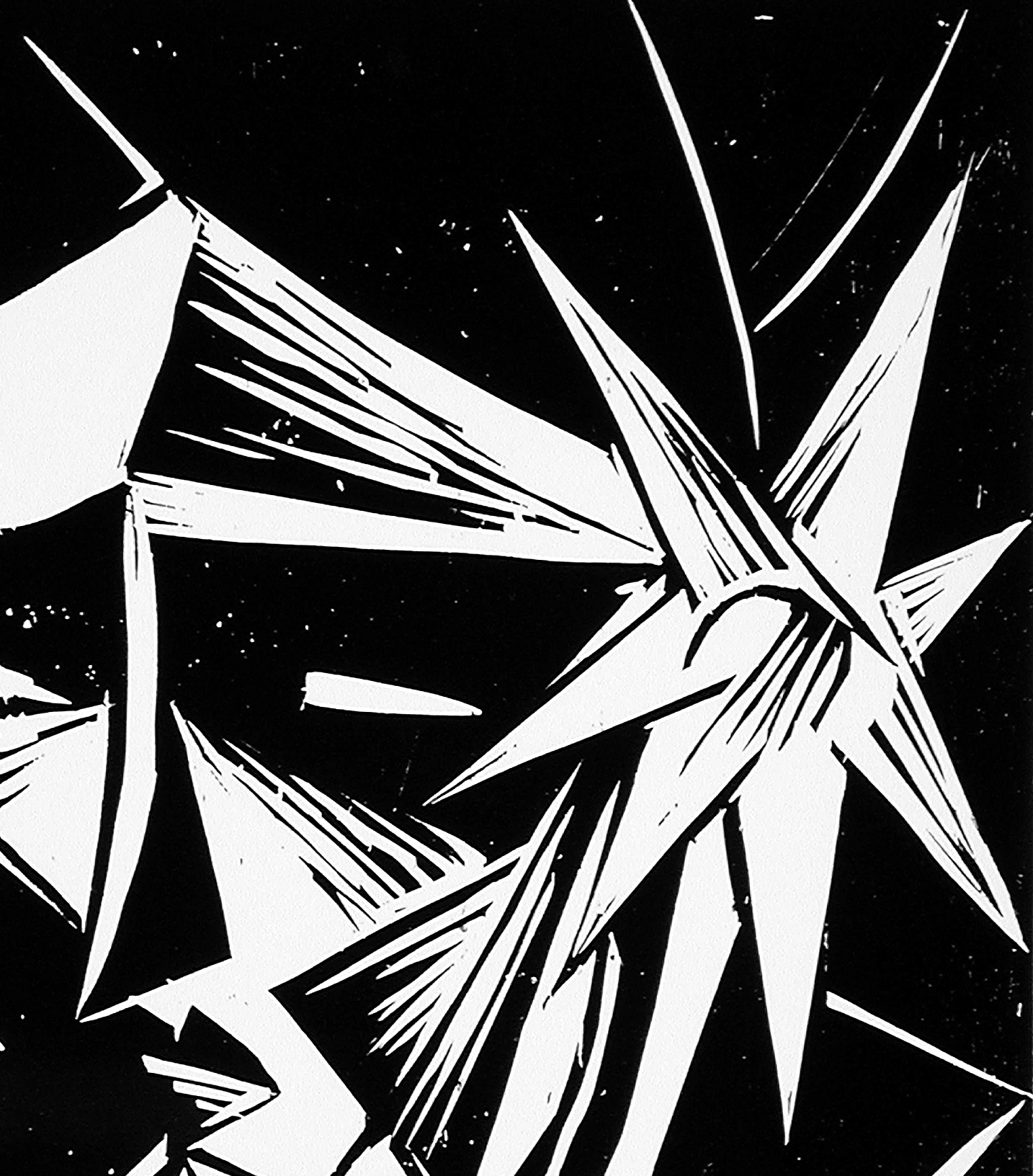
The resulting AI-generated images are not replacements, but reverberations. They exist in a space Benjamin could not have fully imagined, where mechanical reproduction has itself become generative and where the “aura” is not lost but transformed. Even as images circulate freely, detached from their original matrices, they continue to carry residual marks of embodied labor that resist total abstraction into data. Matrix Residua does not seek to restore aura in the nostalgic sense, but to locate a transformed aura—one that emerges precisely through circulation and algorithmic translation, where the hand of the artist persists as a material and ethical trace within systems designed to erase it.